


Quick Venice Travel Essentials
✈️ Arrival: A transfer from the airport is the best way to get to your hotel.
⚓️ Getting around: Venice Transport Pass, which includes buses, trains, and Vaporetto, the water bus. We had the 48-hour one, which worked out perfectly for our visit.
🛏️ Where to stay: We loved our stay at MEININGER in Mestre, perfect for exploring Venice AND doing day trips. We used it as a base for going to Verona, Lake Garda (Sirmione), and Bologna.
🇮🇹 Top tour: Sunset food and drinks (walking tour focused on cuisine, not history)
⛰️ Best day trip: Dolomites Day Tour, perfect option to see the mountains, with enough time to see Lago di Braies (1.5 hours)
💳 Card/ATM: Use the Wise card for the best conversion rate, and Poste Italiane ATM (Postamat) for the lowest commission (sometimes none).
🛜 eSIM: Our favorite Italy eSIM connects to the best networks at fast speeds (tried & tested).
Things to do in Venice
1. Gondola Ride
Let’s cover the most popular Venice experience first.
Gondola rides are a historically important way to get around the city, led by professional gondoliers.
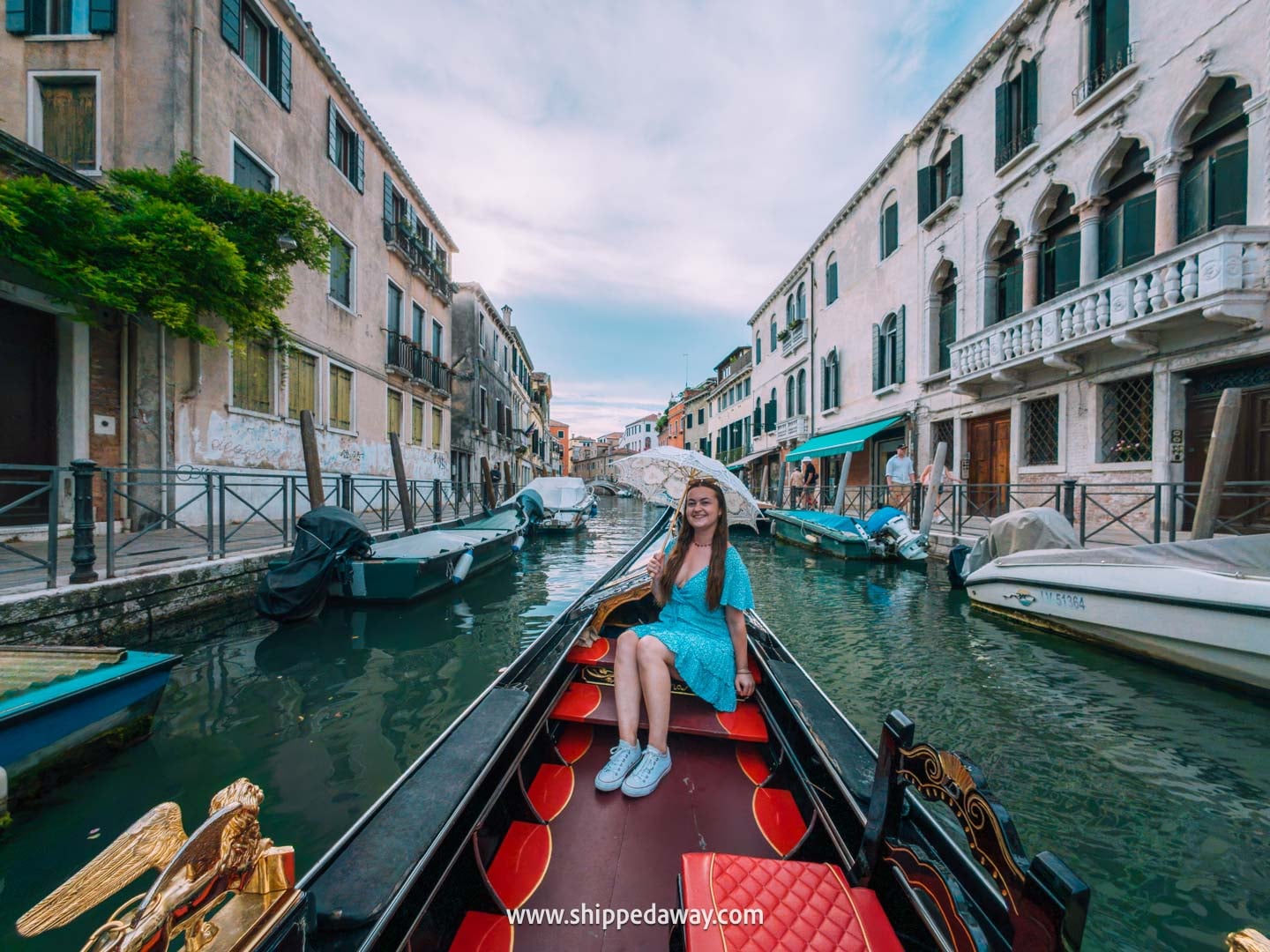
First, a fun fact. Did you know that gondoliers were basically private chauffeurs for the rich? At least they were in the past. Now, gondola rides are taken only by tourists, as locals use the Vaporetto (water bus) or traghettos, the public gondolas across the Grand Canal, to get around the city.
Keep in mind that not everyone can be a gondolier, and it requires a lengthy process of becoming practically an expert on Venice. Today, about 433 gondolier licenses are in use in Venice, which seems like a big number, but with the number of tourists, it’s probably not enough.
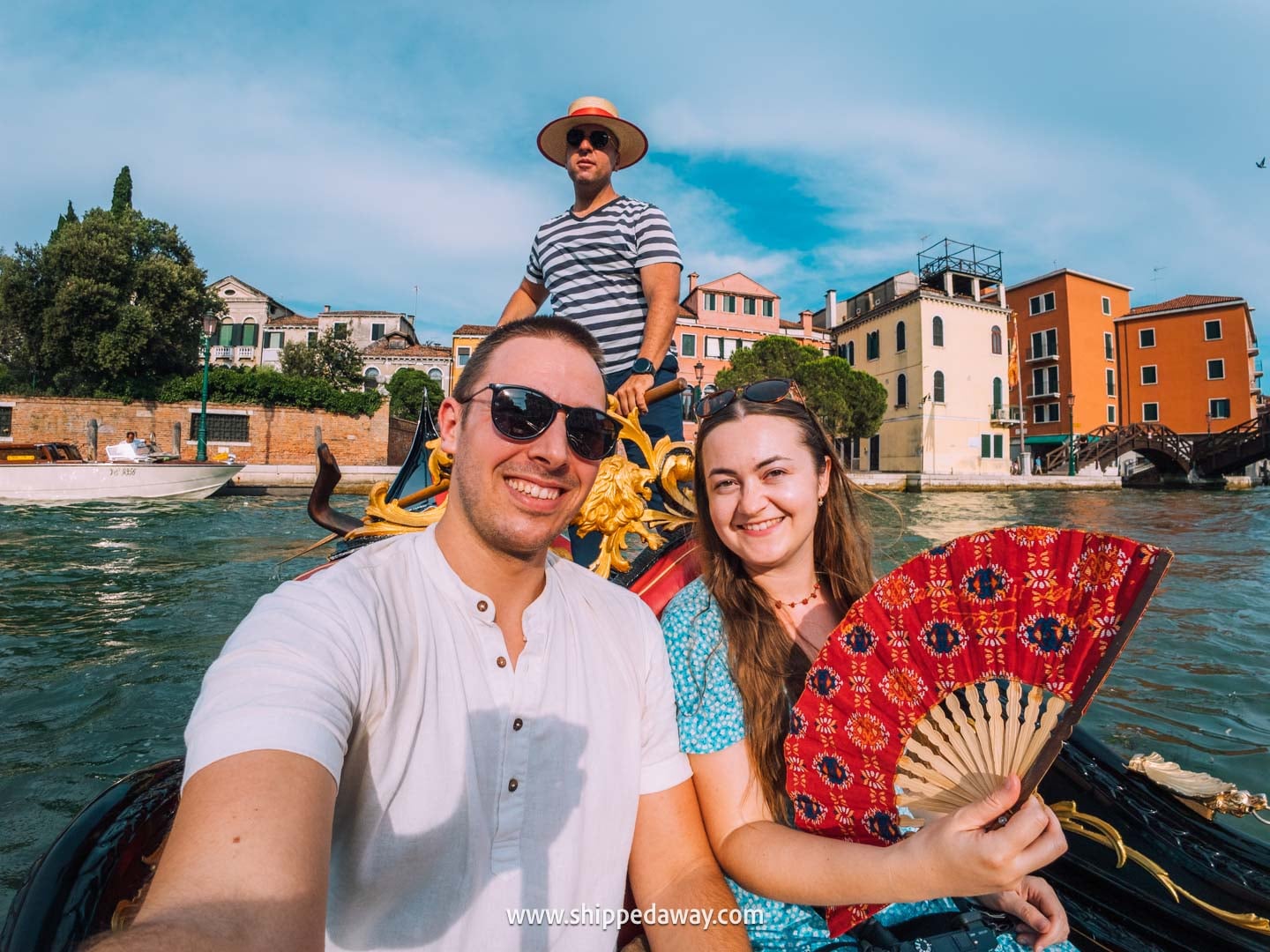
While taking a gondola ride in Venice is a fantastic way to explore and see the city from a different perspective, it’s not an affordable experience. And it’s the main reason why many visitors skip doing it.
Prices and rules
As of 2026, a standard gondola ride typically lasts 30 minutes, with a regulated fare of 90 EUR during the day and 110 EUR after 7 PM.
Gondoliers can accept up to 5 passengers in a gondola, a limit regulated for safety and easier navigation.
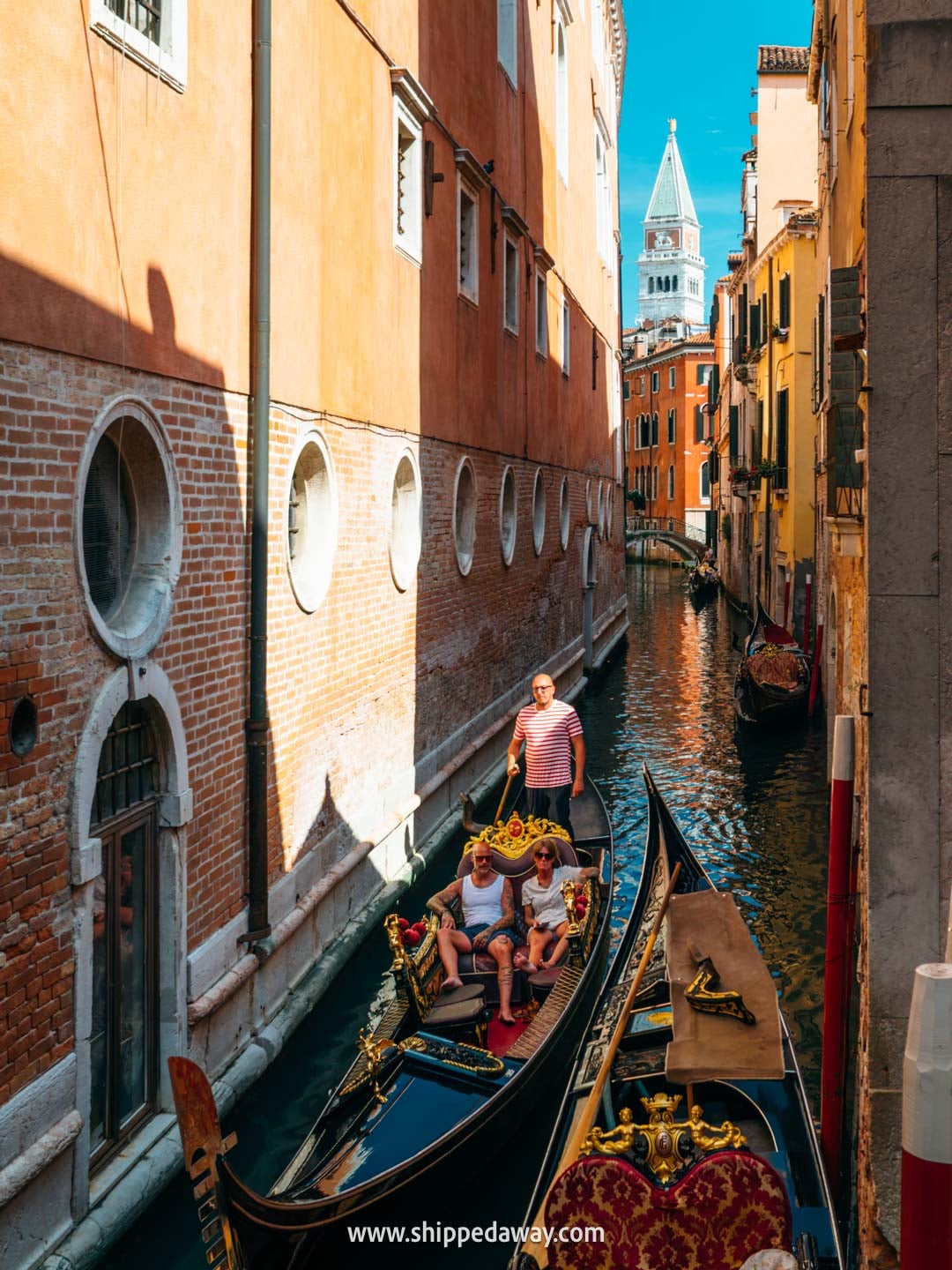
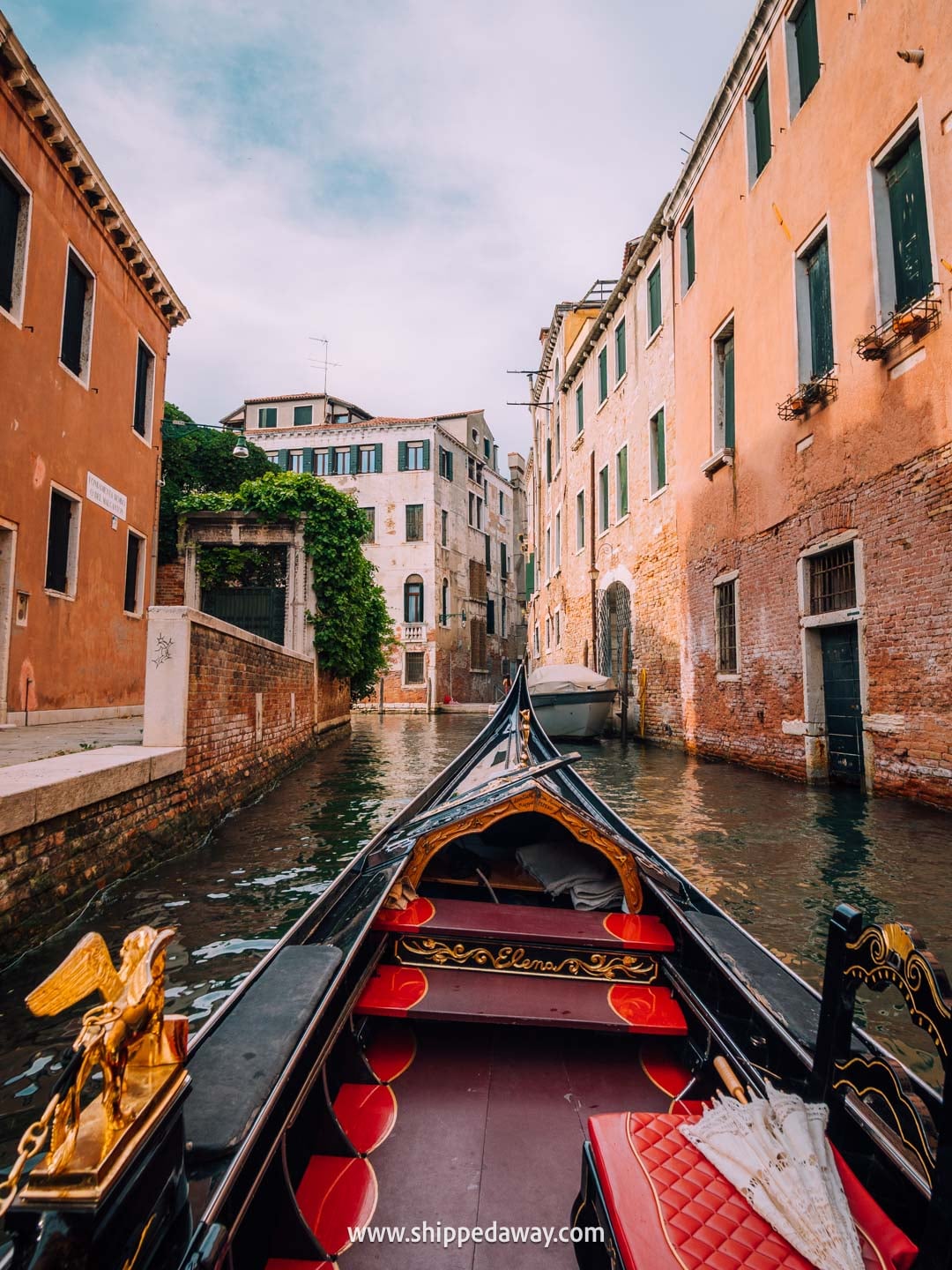
You can book a gondola ride on the spot at one of the gondola stations, which you can recognize by striped poles.
We booked our gondola online, which cost more, but we liked that we could book the exact time and duration we wanted. That way, we knew we wouldn’t have to wait in a queue (this was especially important since we visited Venice during a heatwave).
2. Vaporetto water bus ride on the Grand Canal
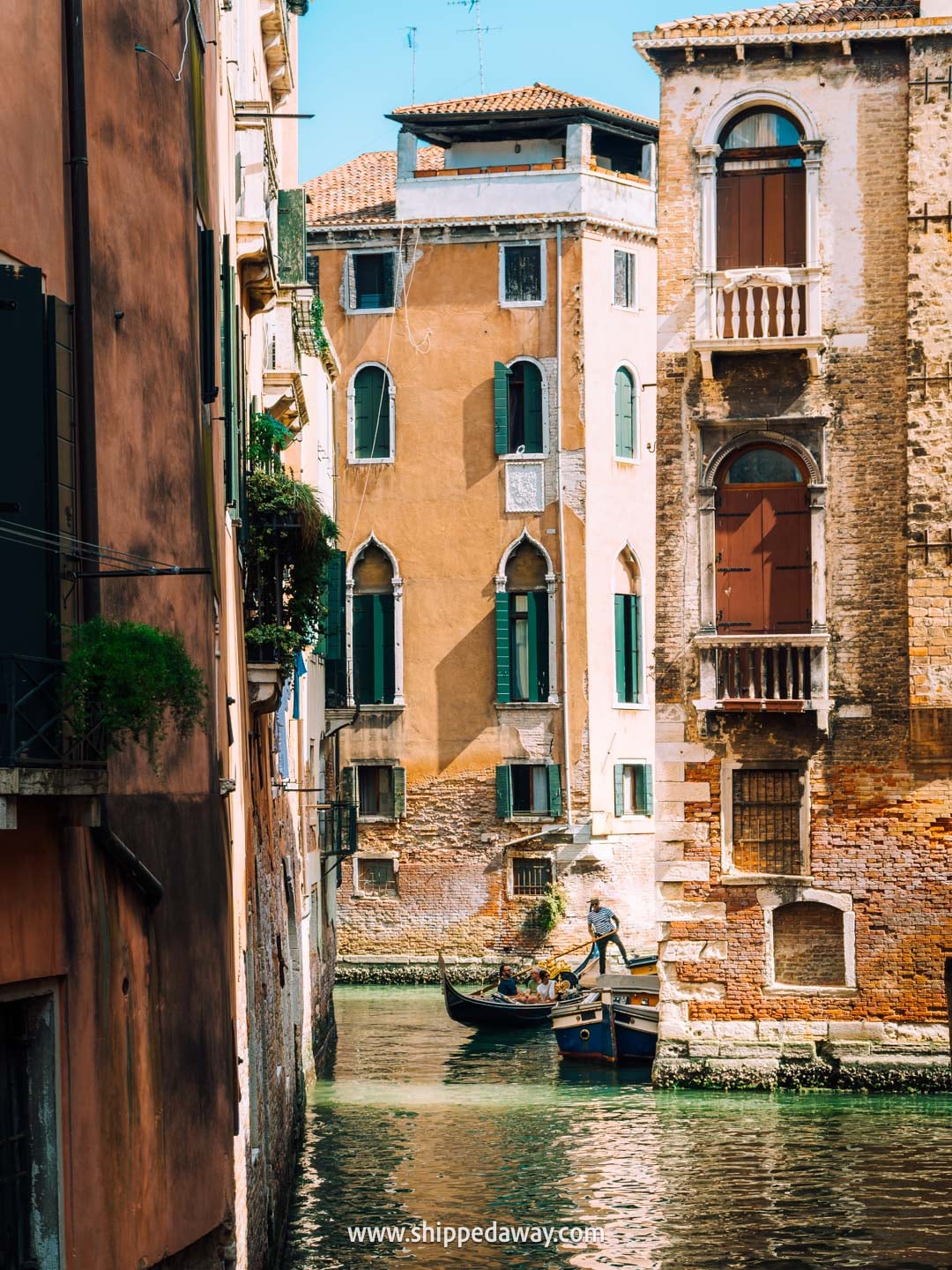
The best way to see the scale of Venice’s Grand Canal, the main canal running through the city and connecting its neighborhoods, is by taking the Vaporetto.
A vaporetto is a boat that operates like a public bus, stopping at stations around the city.
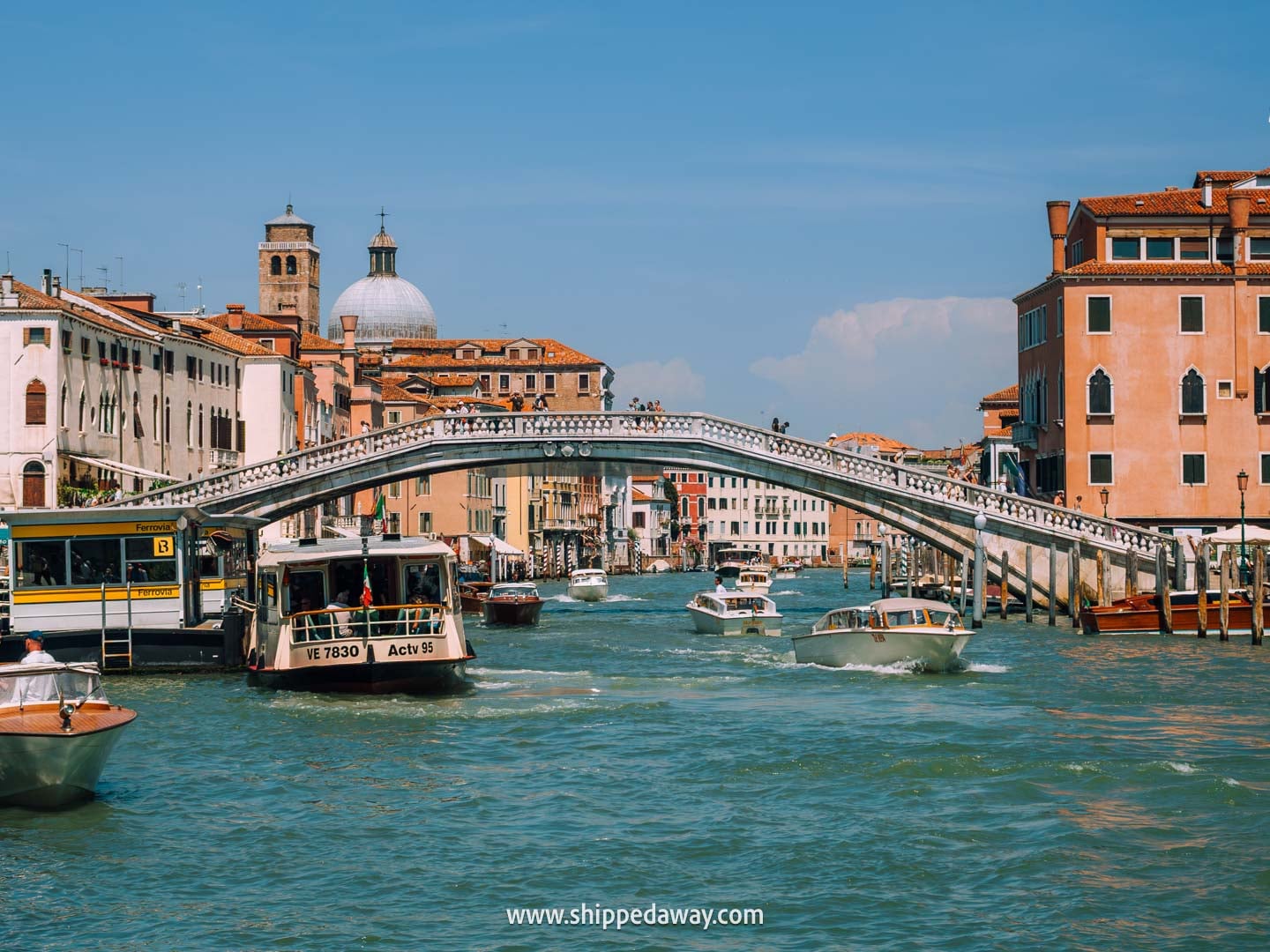
While there are over 20 Vaporetto lines in Venice, you need to board Line 1 or Line 2. The Vaporetto takes about 40 minutes to complete the journey through the Grand Canal, connecting Piazzale Roma with San Marco.
A single ticket for Vaporetto is valid for 75 minutes and costs 9.5 EUR. That’s why we recommend buying the Venice Transport Pass, which is so worth it if you’re planning to take more rides (you will for sure). We had the 48-hour one, which worked out perfectly for our visit.
We recommend hopping aboard a Vaporetto in the early morning or late afternoon for the best experience, as it’s less crowded. Otherwise, you might need to stand, and the most comfortable way is to sit in the front.
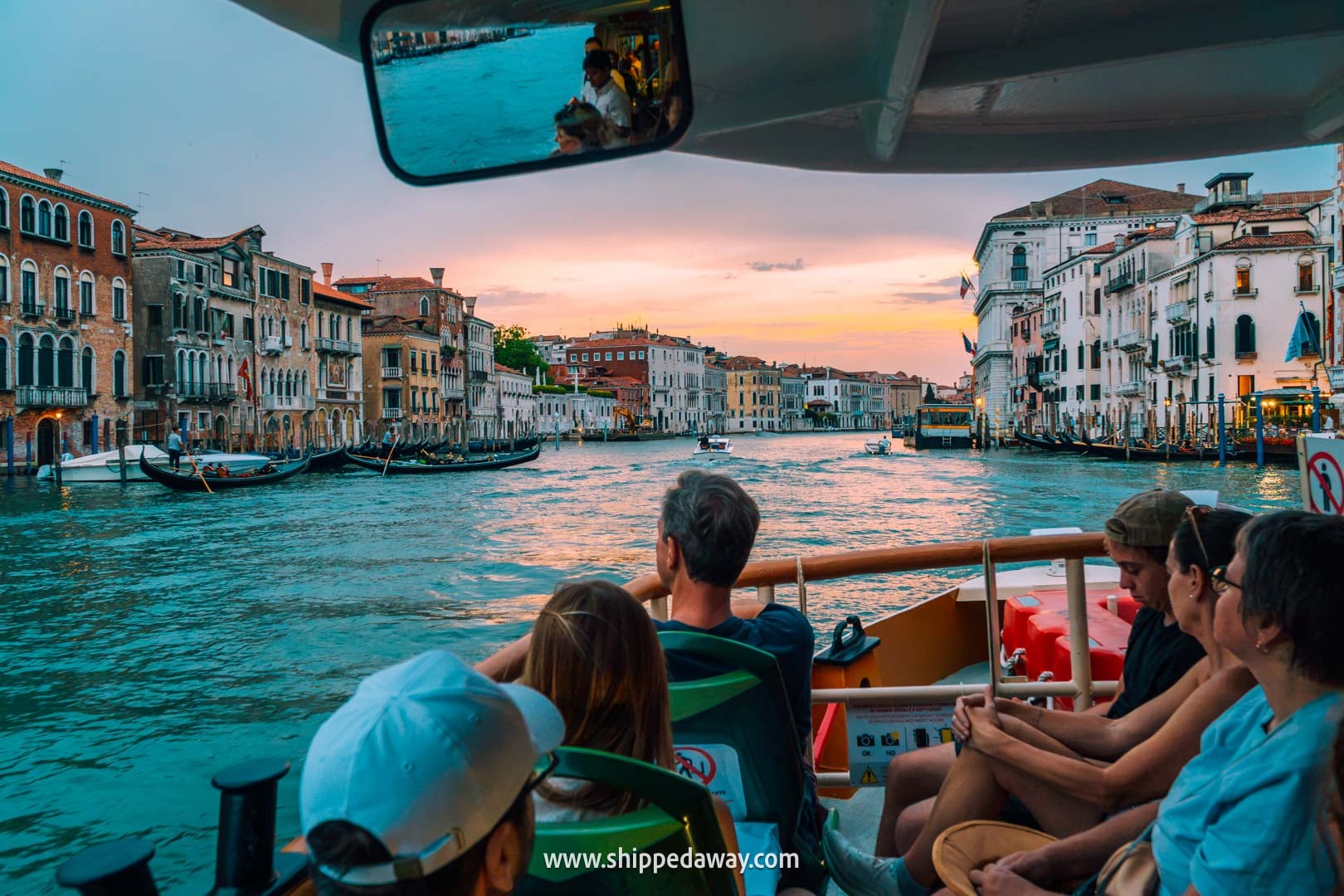
Our favorite part of the Vaporetto ride on the Grand Canal is the stretch from Ponte dell’Accademia to San Marco, where the canal widens and opens into the main lagoon.
Other than that, another highlight of the ride is going under the Rialto Bridge.
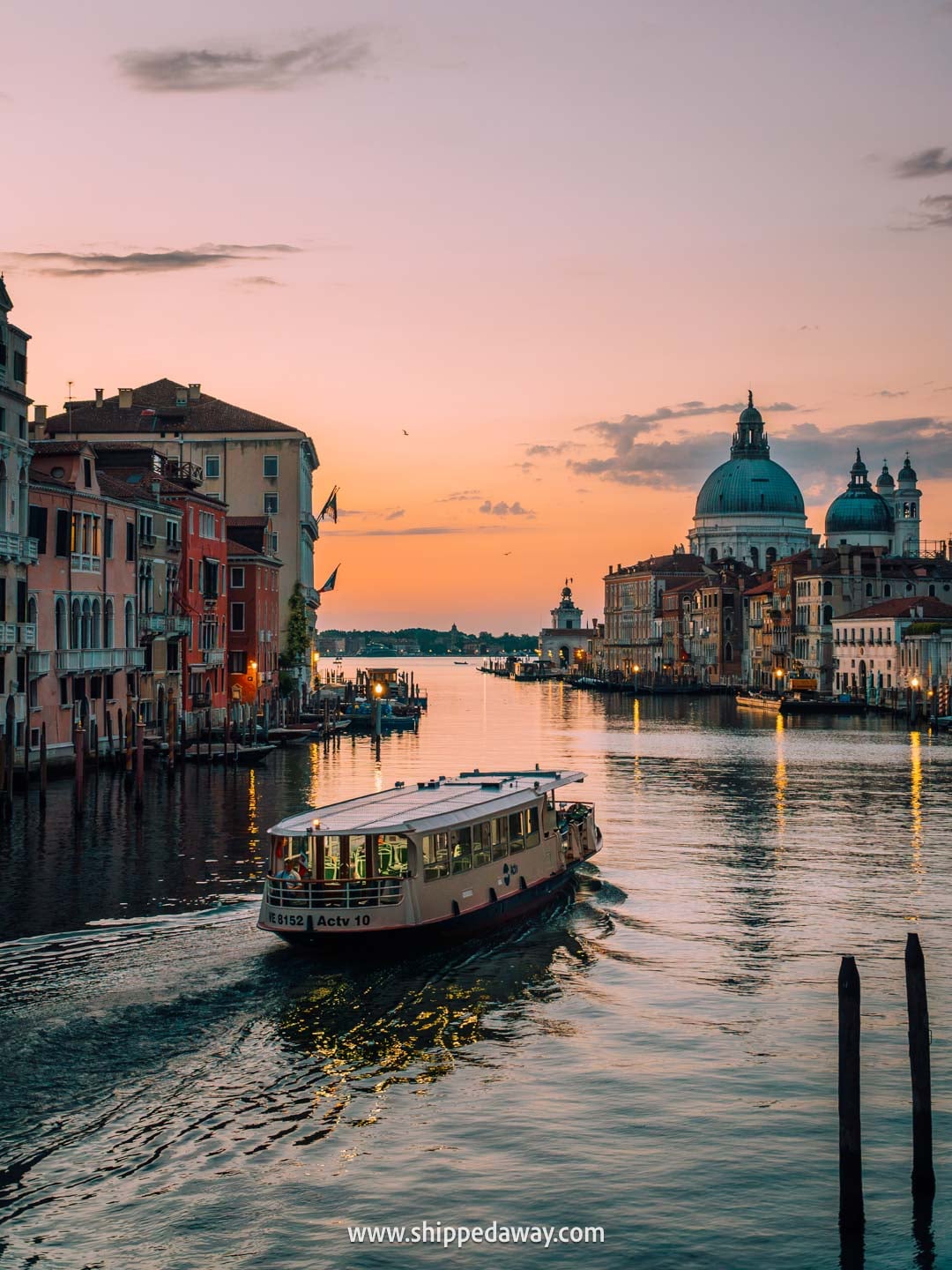
Time-optimization tip
If you’re visiting Venice from outside (on a day trip), you can already disembark at the Rialto Bridge. This means you will miss the last part of the Grand Canal ride, but you can see it on the way back to Piazzale Roma, where we assume you will have to go anyway. Plus, the quickest way back is the Grand Canal vaporetto.
Coming soon: One Day in Venice Itinerary for our best tips on seeing all that matters in just one day, plus additional time-optimization tips.
3. Rialto and other bridges over the Grand Canal
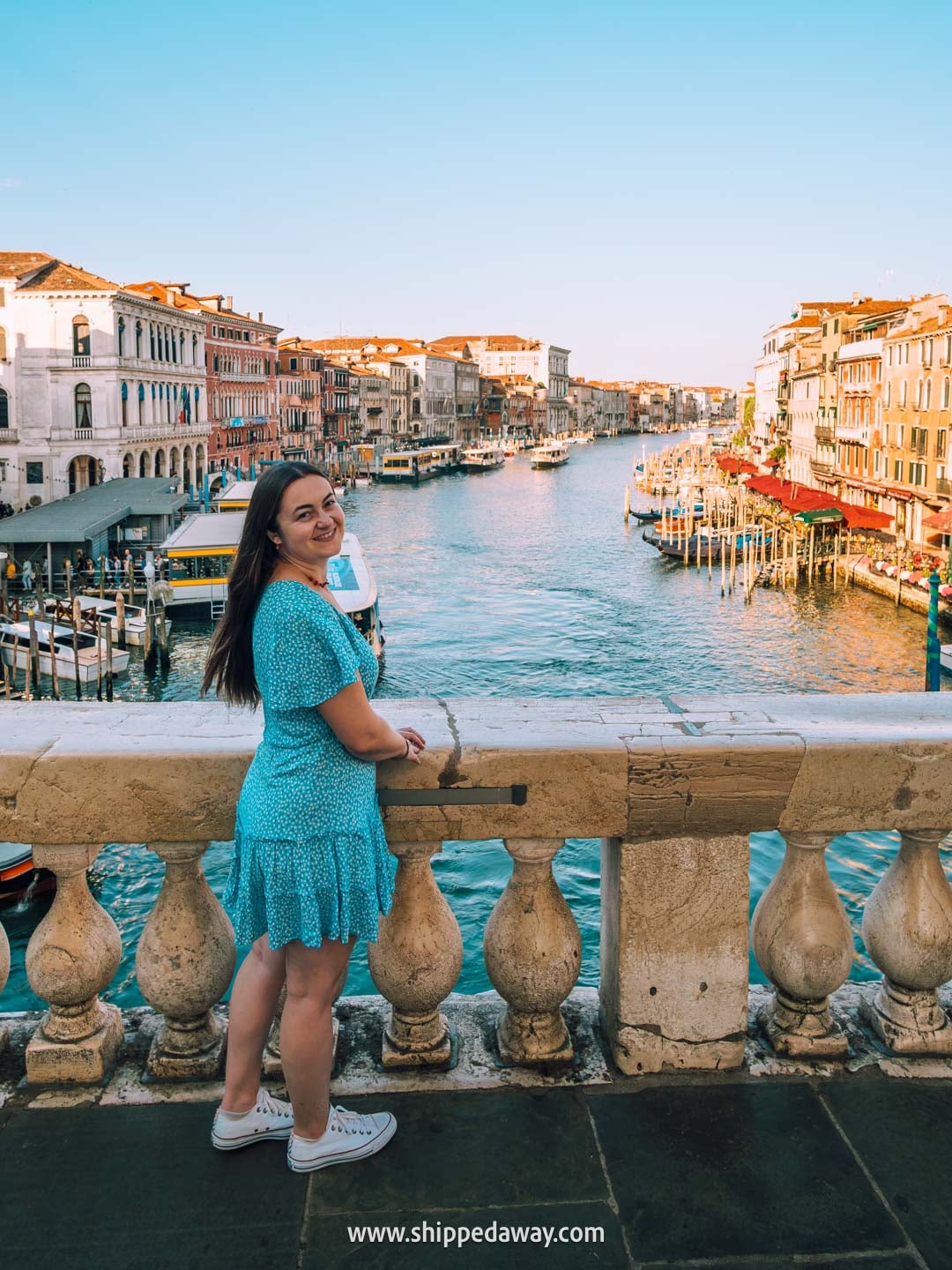
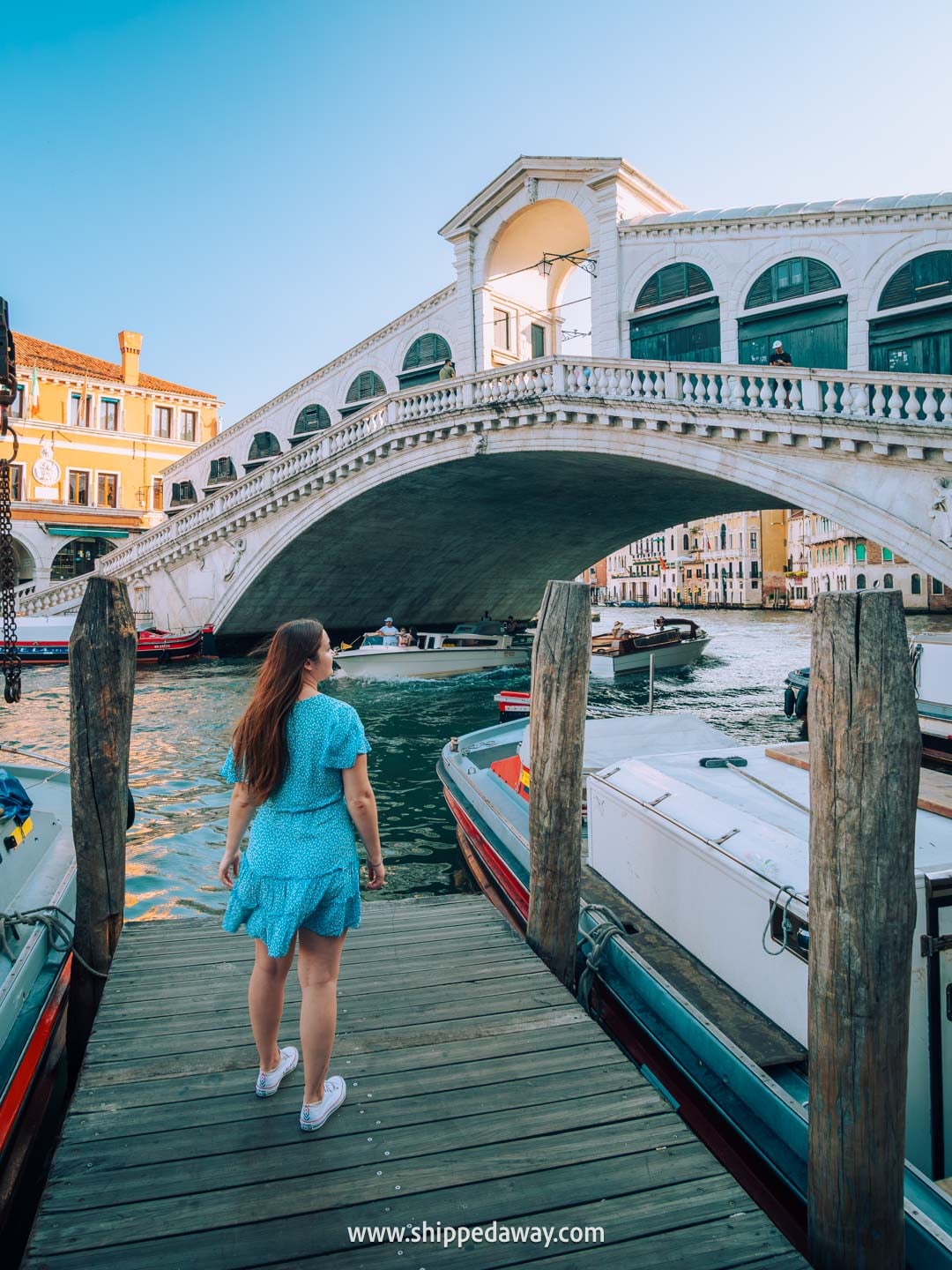
Rialto Bridge is an unmissable attraction in Venice because, for one, it is almost impossible not to see it, and, second, because of how cool and important it is to the city.
The Rialto Bridge is the oldest of the four bridges currently crossing the Grand Canal. Its single stone arch connects the neighborhood of San Polo to San Marco since the 16th century.
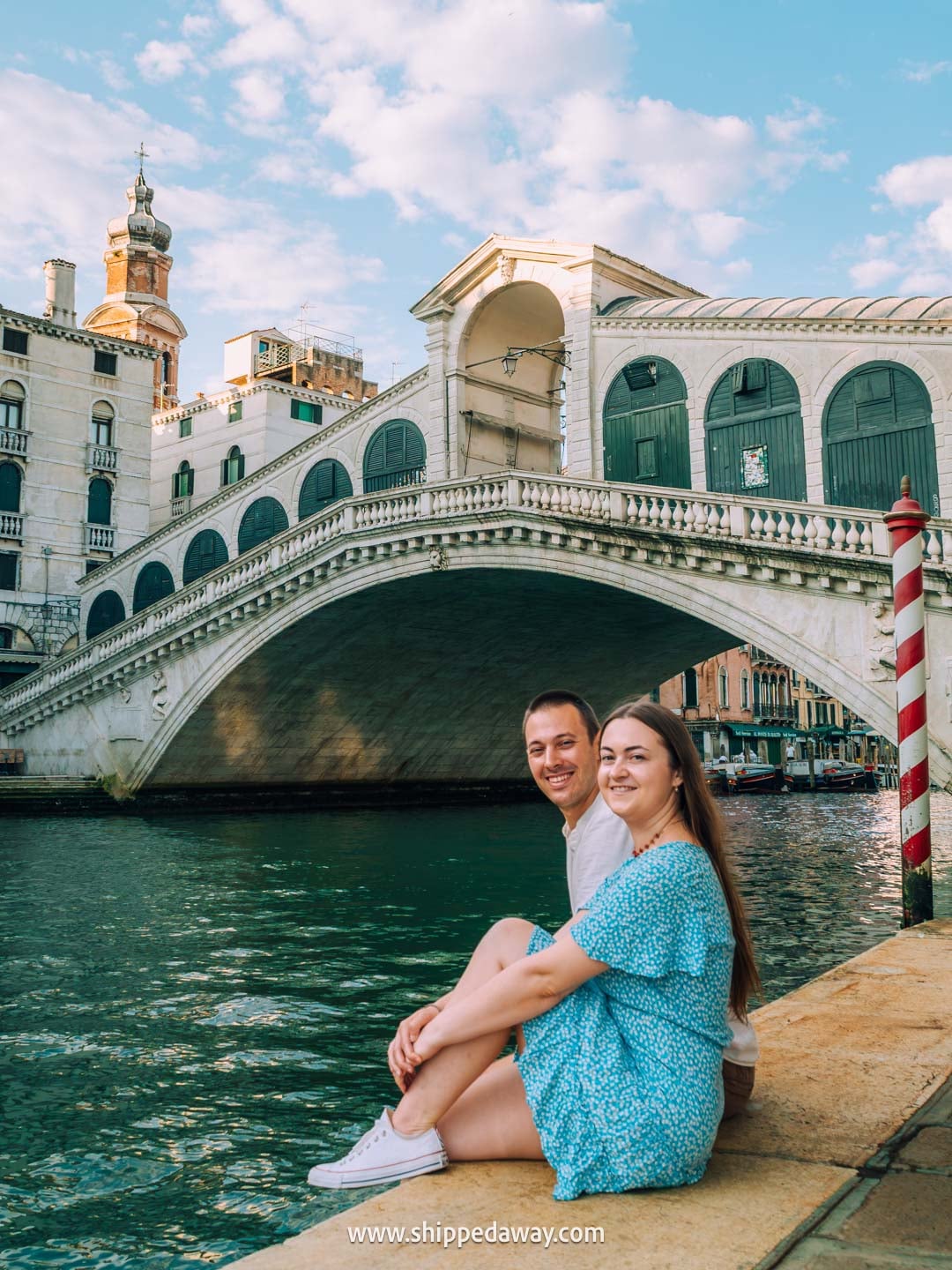
We saw the Rialto Bridge multiple times on our visit.
First, we went over it in the morning while taking photos at some of the best photo spots – the bridge is one of them. Then, later, we also passed it on our way back from Cannaregio to San Marco.
Plus, we also drove under the bridge on the Vaporetto. That’s exactly why we believe it’s hard not to visit, or at least see, the Rialto Bridge from afar!
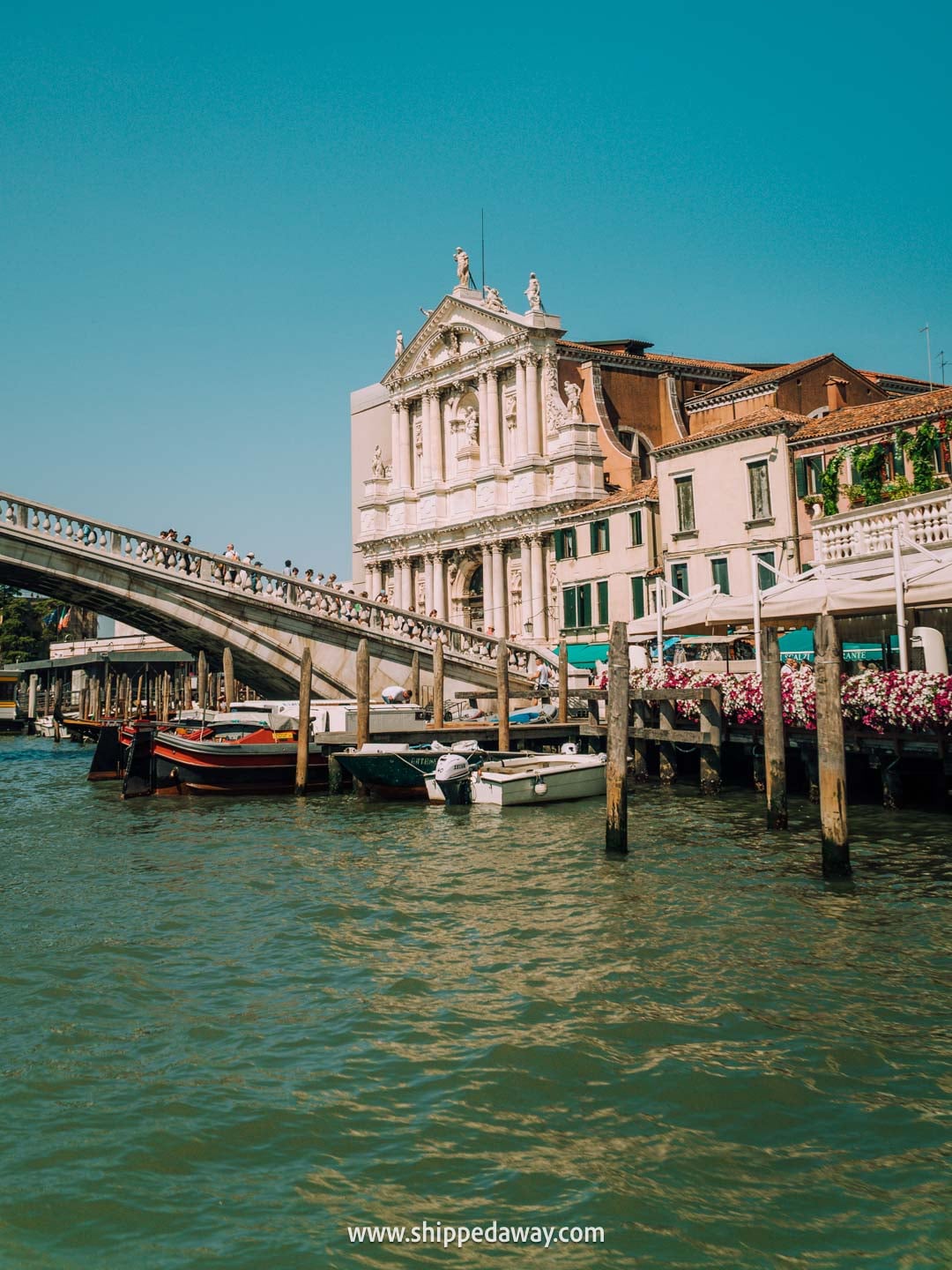
Two other significant bridges are the Ponte dell’Accademia, which we mentioned earlier, a beautiful wooden bridge farther down the canal from Rialto, and the Ponte degli Scalzi, near the train station in the Santa Croce neighborhood.
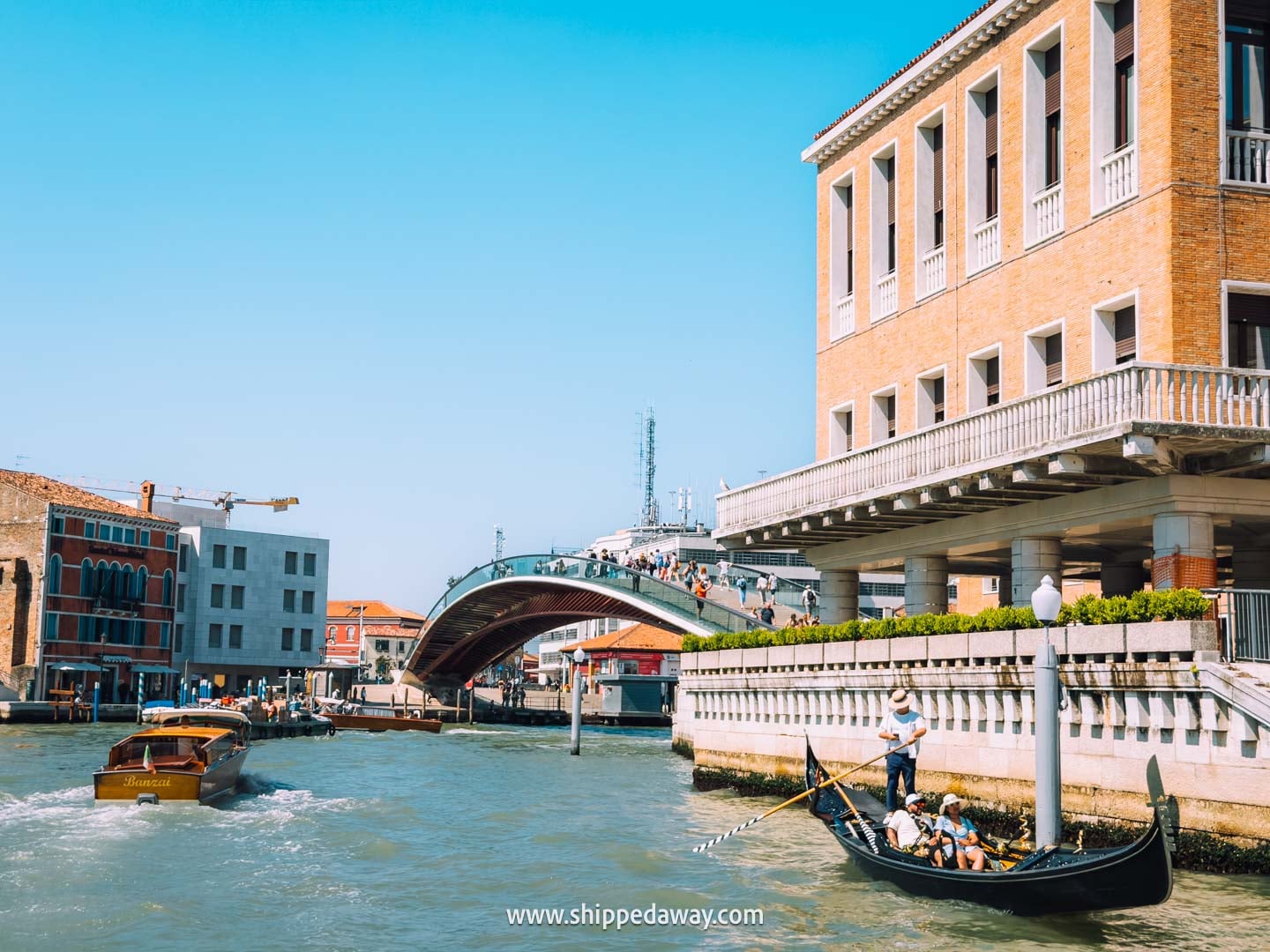
The fourth bridge, the Constitution Bridge, is the newest and is not particularly liked by locals, as it’s made of metal and glass in a style that doesn’t fit the Venetian architecture.
But after walking over it, we understand why such a bridge was needed, as it conveniently connects the bus station to Cannaregio and the train station, where countless people travel.
4. Piazza San Marco, Basilica, Campanile, and Doge’s Palace
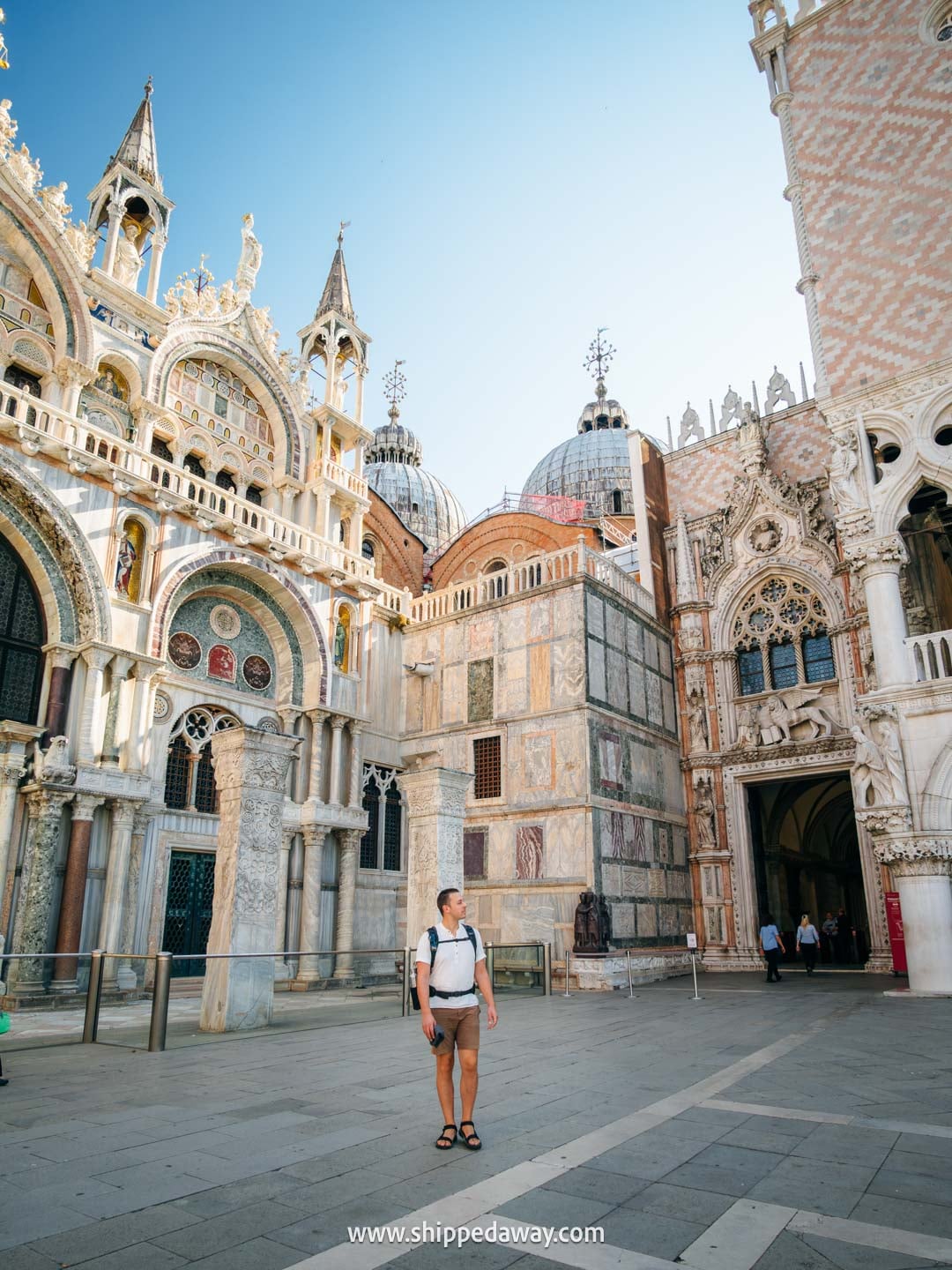
The heart of Venice is the Piazza San Marco, with all the major historic buildings.
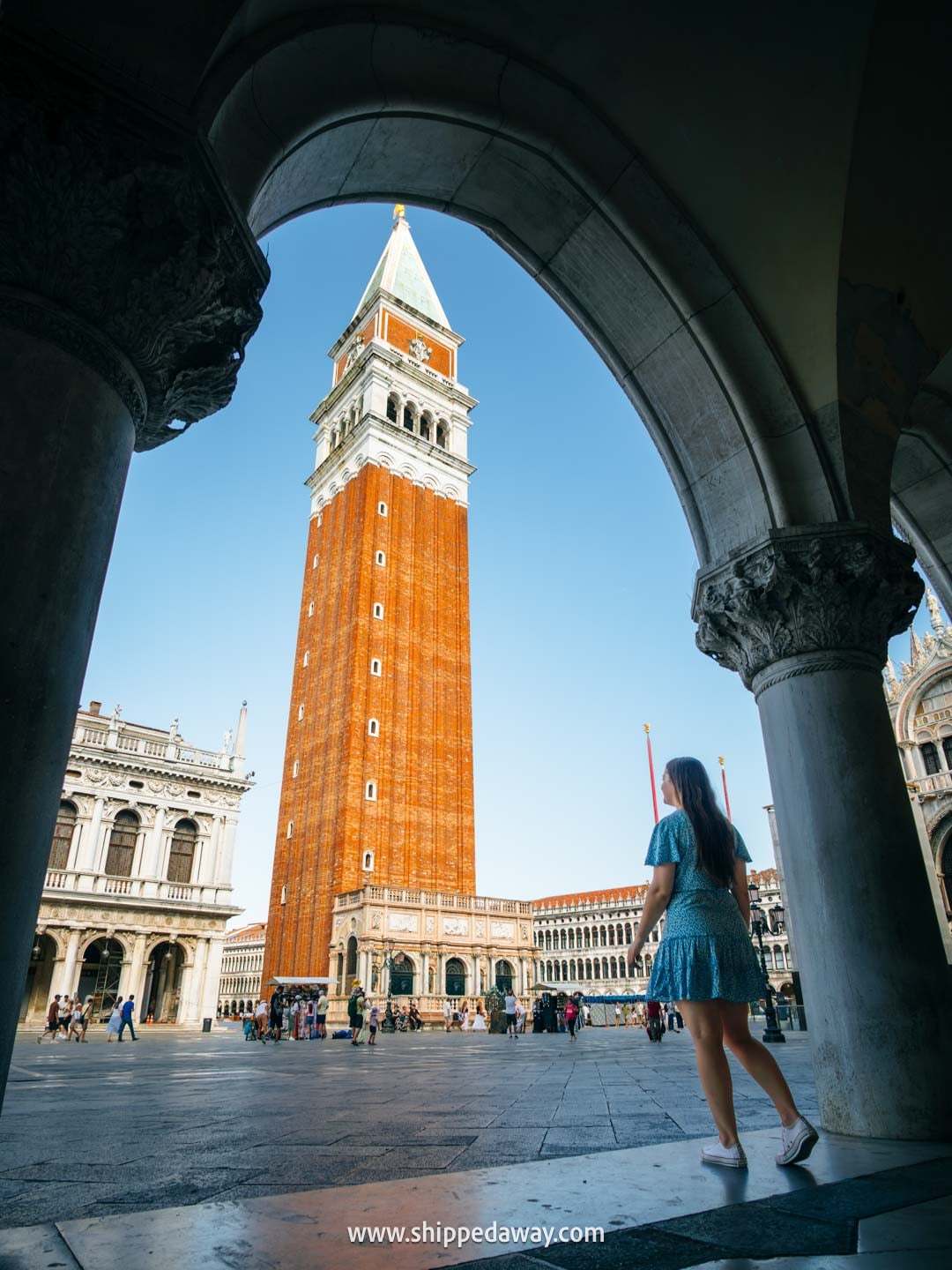
Saint Mark’s Square is where you can see the Basilica and the Clocktower, go up the Campanile (Venice’s tallest structure), and visit the Doge’s Palace (Palazzo Ducale).
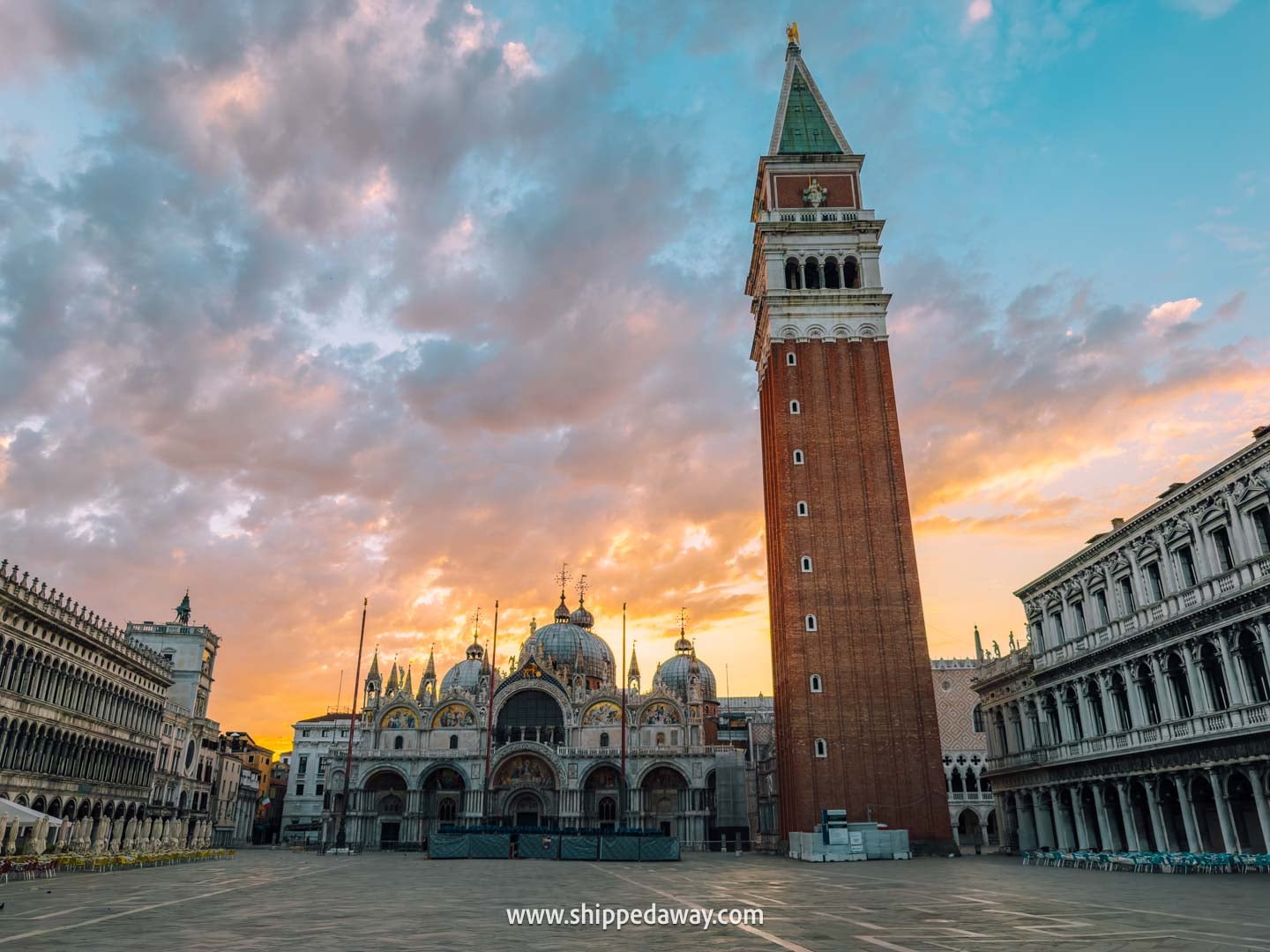
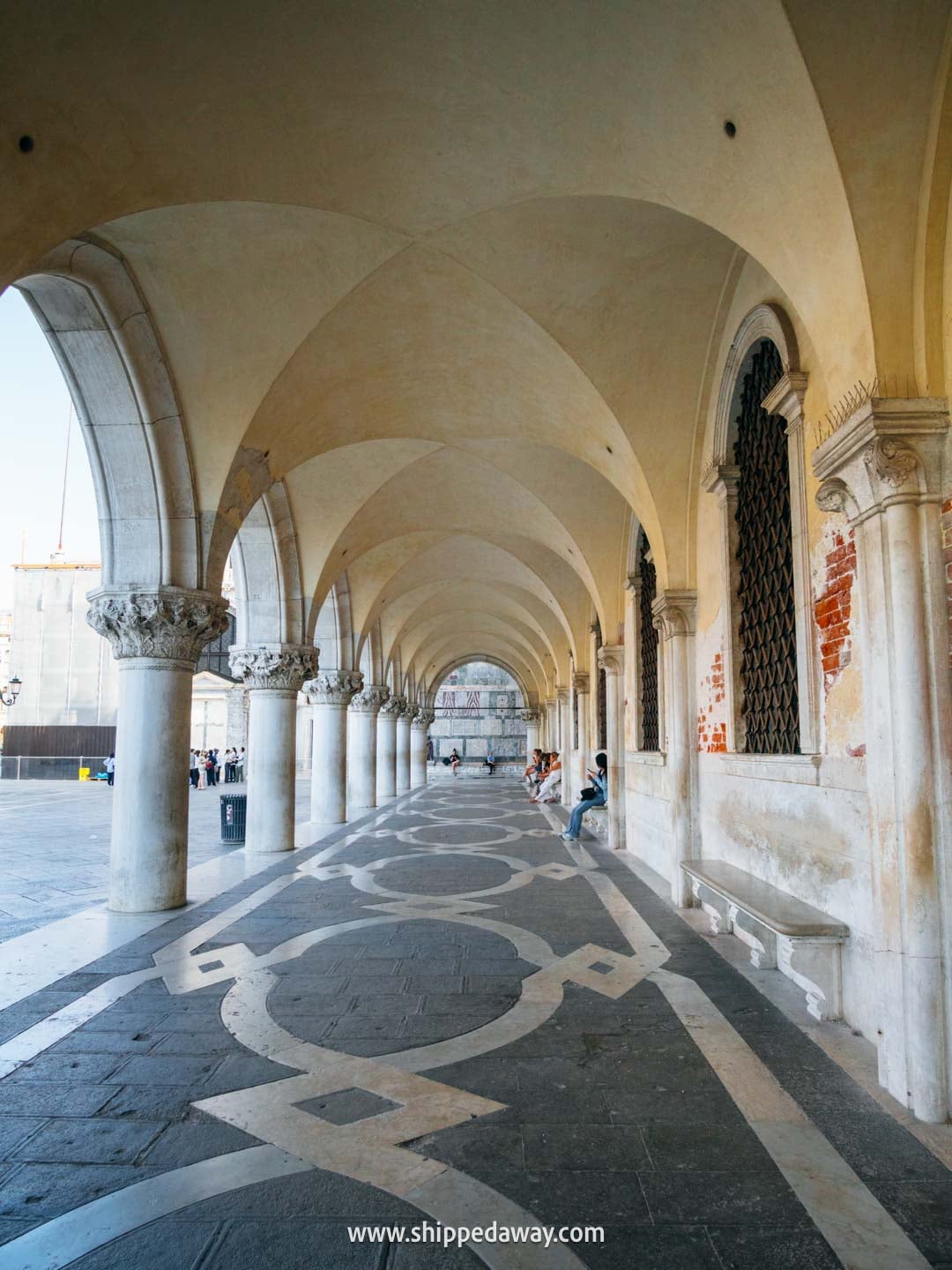
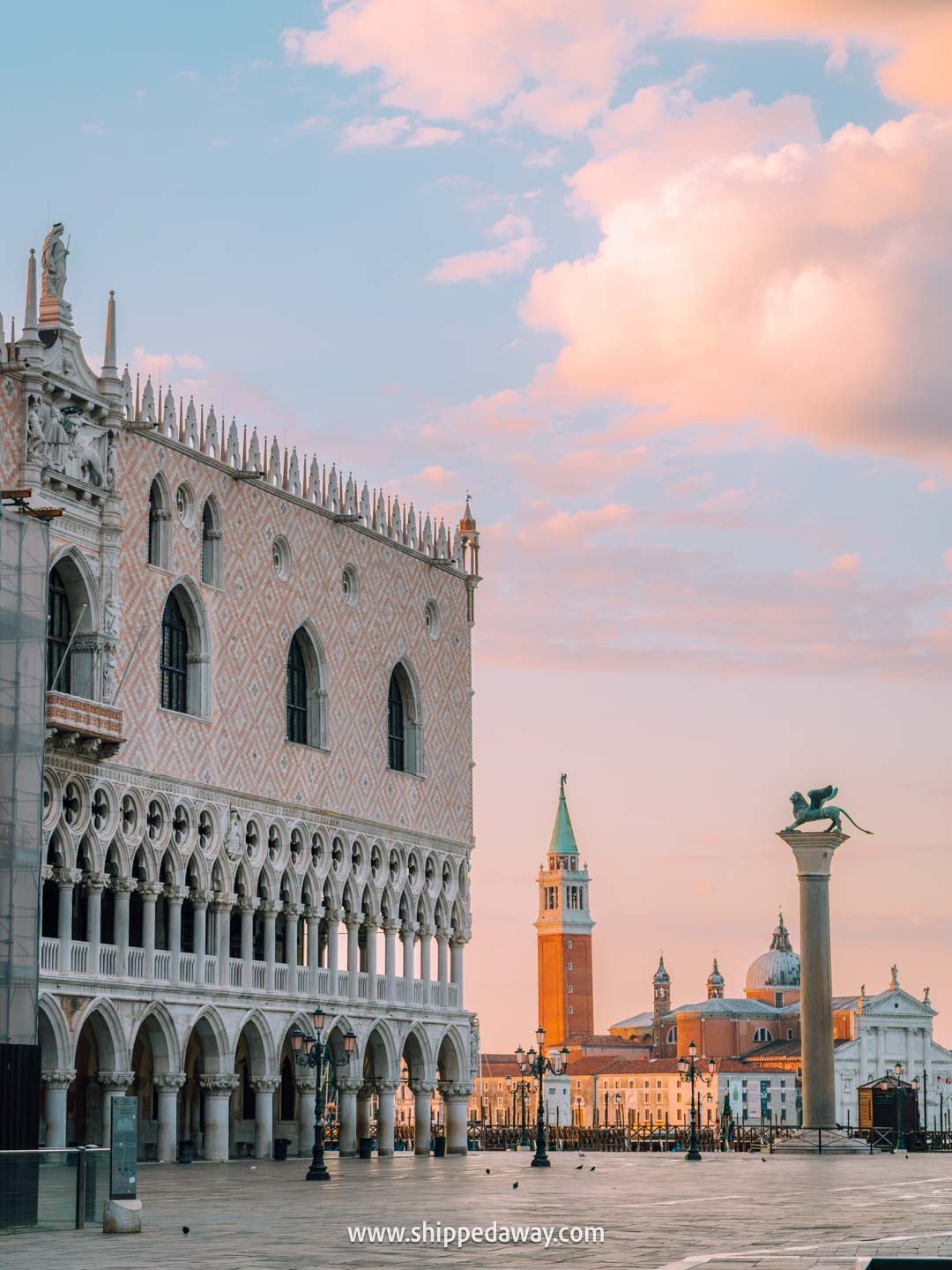
A highlight of Piazza San Marco is, above all, the Doge’s Palace, a museum that was the former seat of government, with various offices, chambers, and even a jail. It’s a fantastic place to visit if you have a few hours to spend wandering the museum.
Since we were on a tight schedule, we unfortunately didn’t have time to enter Doge’s Palace – maybe on our next visit. Yes, we’re already planning a return! Then, we’ll be able to see more attractions that we only observed from the outside.
Another thing we’d love to do on our return to Piazza San Marco is to climb the Campanile (bell tower) for views of Venice you can’t get elsewhere. However, you don’t really climb it, as there’s an elevator that takes you right to the top!
San Marco tickets, opening hours, and rules
If you’re carrying a bag larger than 40 cm x 30 cm x 20 cm, we recommend leaving it at a luggage storage facility, as you won’t be allowed entry otherwise.
We always carry our big camera bag, which is problematic when entering attractions and sites like the ones on Piazza San Marco. We had to plan our exploration smartly around this, and also when we were visiting the museums in Florence.
Doge’s Palace costs 35 EUR for the standard ticket, and is open from 9 AM to 7 PM (1 April – 31 October with last admission at 6 PM). It closes 1 hour earlier between 1 November and 31 March.
St. Mark’s Basilica costs 10 EUR for the standard entry (extra for other parts), and is open from 9:30 AM to 5:15 PM from Monday to Saturday (last admission 4:45 PM), and on Sundays and public holidays it opens later, at 2 PM.
Entrance to the Campanile costs 15 EUR, and we recommend booking a time slot online. Campanile is open from 9:30 AM to 9:15 PM in the summer (last admission 1:15 h before) and closes two hours earlier in the winter.
There are guided tours for the palace and basilica if you’d like to learn more about them, while you visit the Campanile on your own.
A really cool experience we found is the Basilica After Hours tour – you can visit with a small group for a more private visit after it closes to the public.
5. Bridge of Sighs
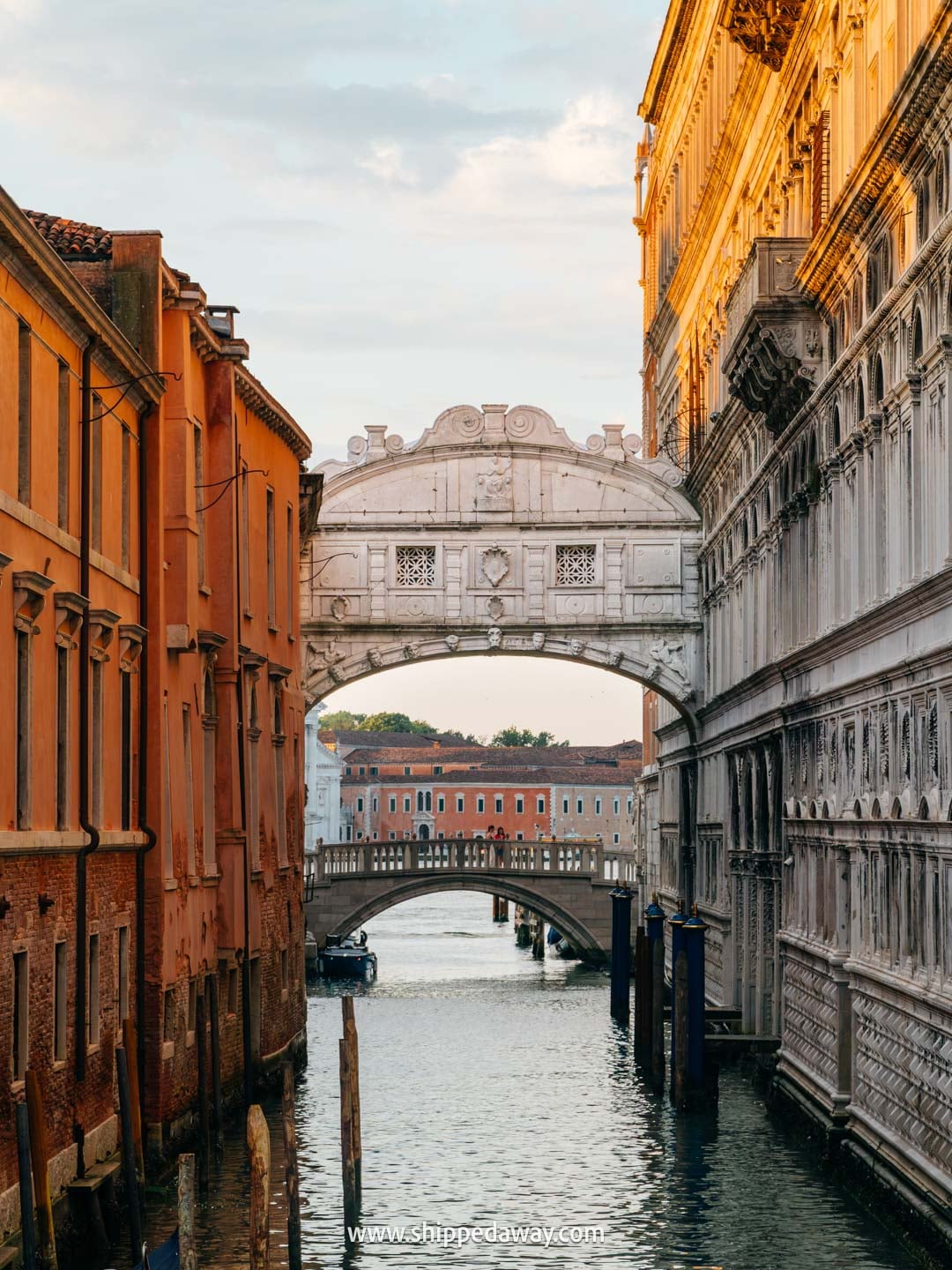
Right next to St. Mark’s Square, connected to Palazzo Ducale, is the Bridge of Sighs (Ponte dei Sospiri).
The Bridge of Sighs is where prisoners walked from the Doge’s Palace to the jail after their sentencing. The name is used because they were supposedly often sighing after getting a last glimpse of the outside world.
You can walk over the bridge if you visit the Doge’s Palace.
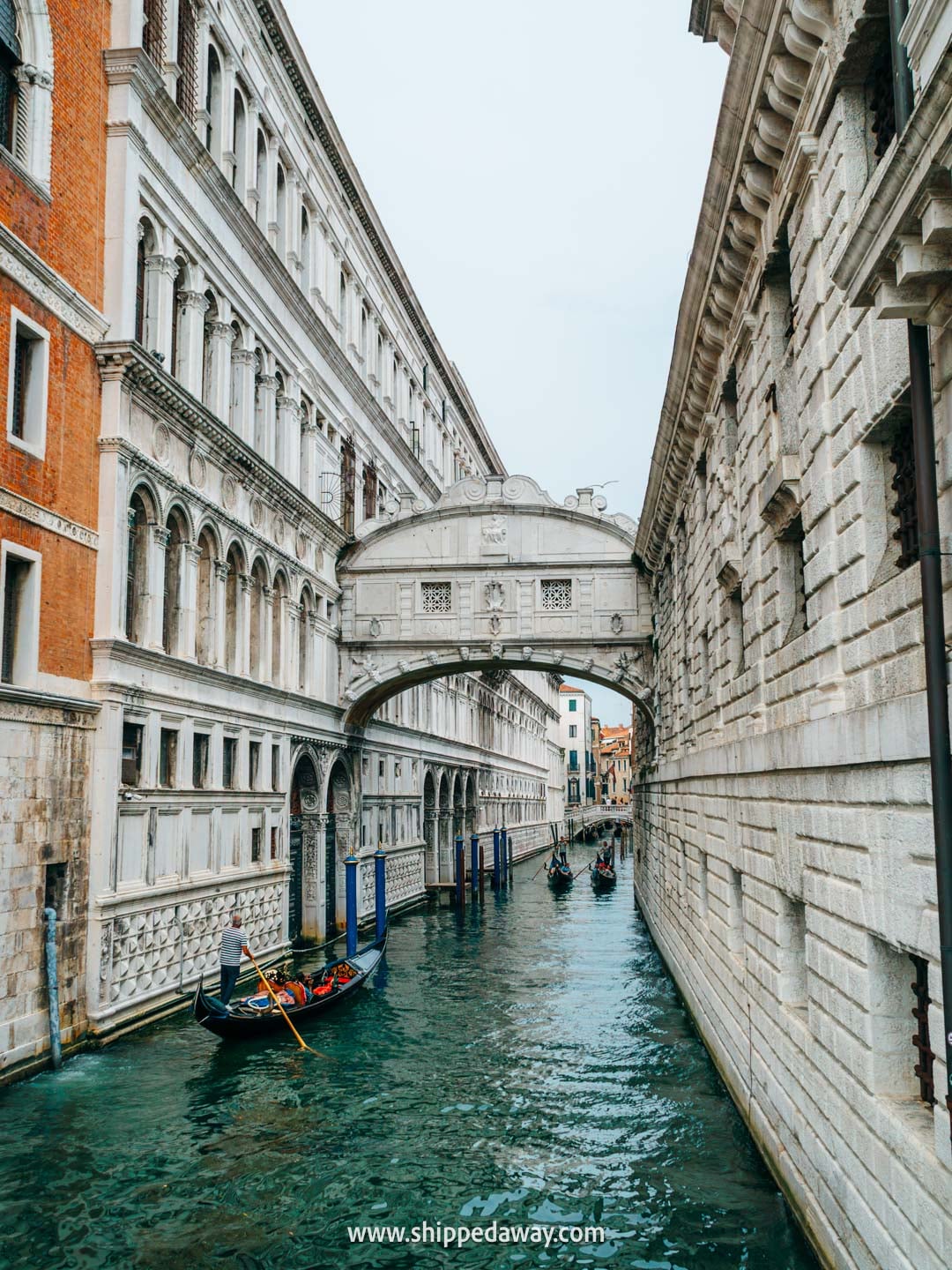
It was one of the main photo spots we wanted to visit bright and early. We were there right after watching the sunrise at Ponte dell’Accademia.
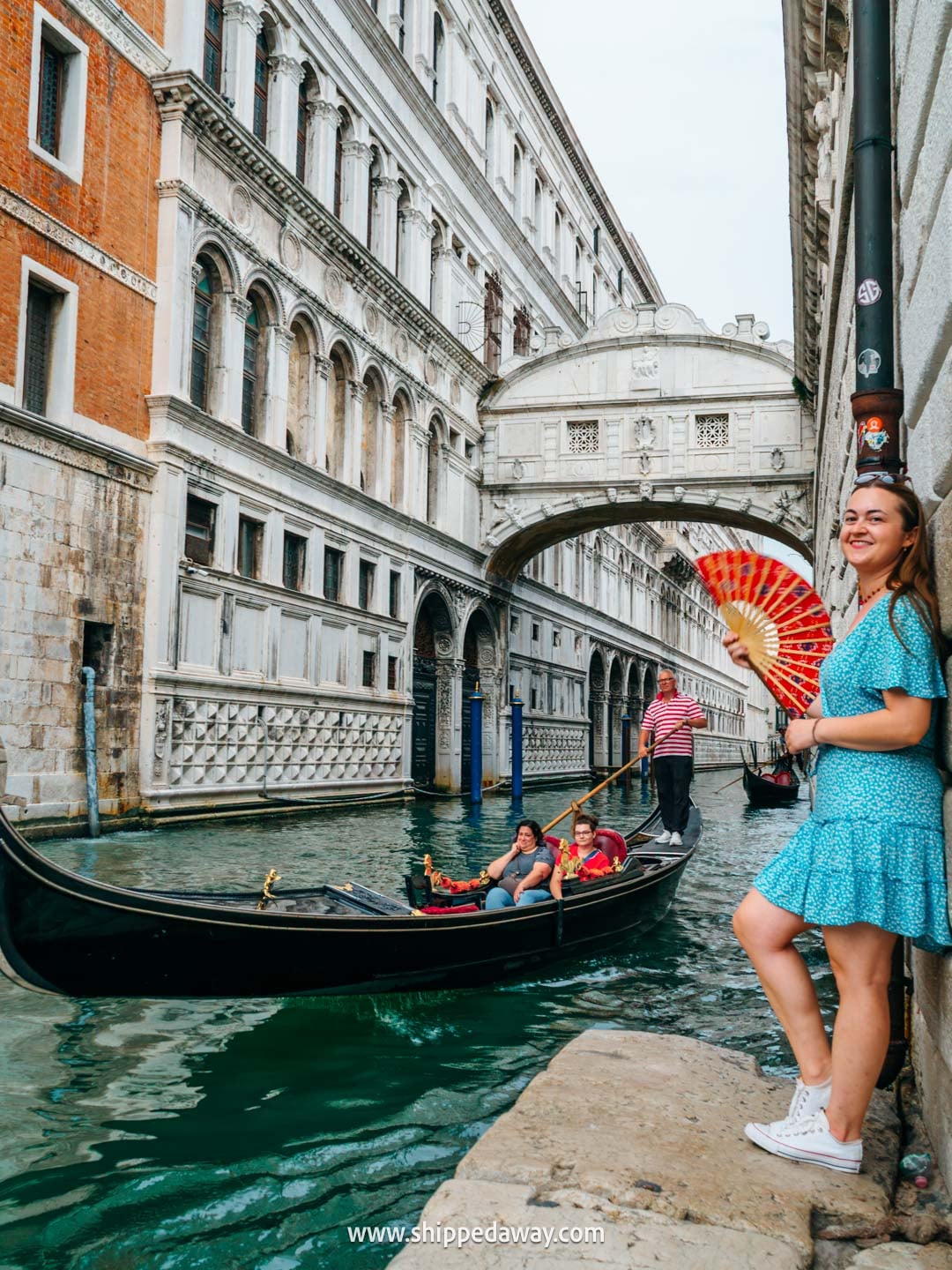
You can see the bridge from Ponte della Paglia, another bridge just steps away from the square, which is also a great spot to observe many gondolas passing through the canal. It’s very close to one of the main stations.
But for us, the best view was from Ponte de Canonica, a different bridge on the north side. We got some really nice photos with a zoom lens.
6. Riva with views of San Giorgio Maggiore
After seeing the Bridge of Sighs from Ponte della Paglia, you’re practically already at the next spot on our list, the Riva degli Schiavoni.
Riva degli Schiavoni is the main waterfront where you can see many boats and gondolas docked or passing by.
It’s also where you can get a view of San Giorgio Maggiore, an island just across the water.
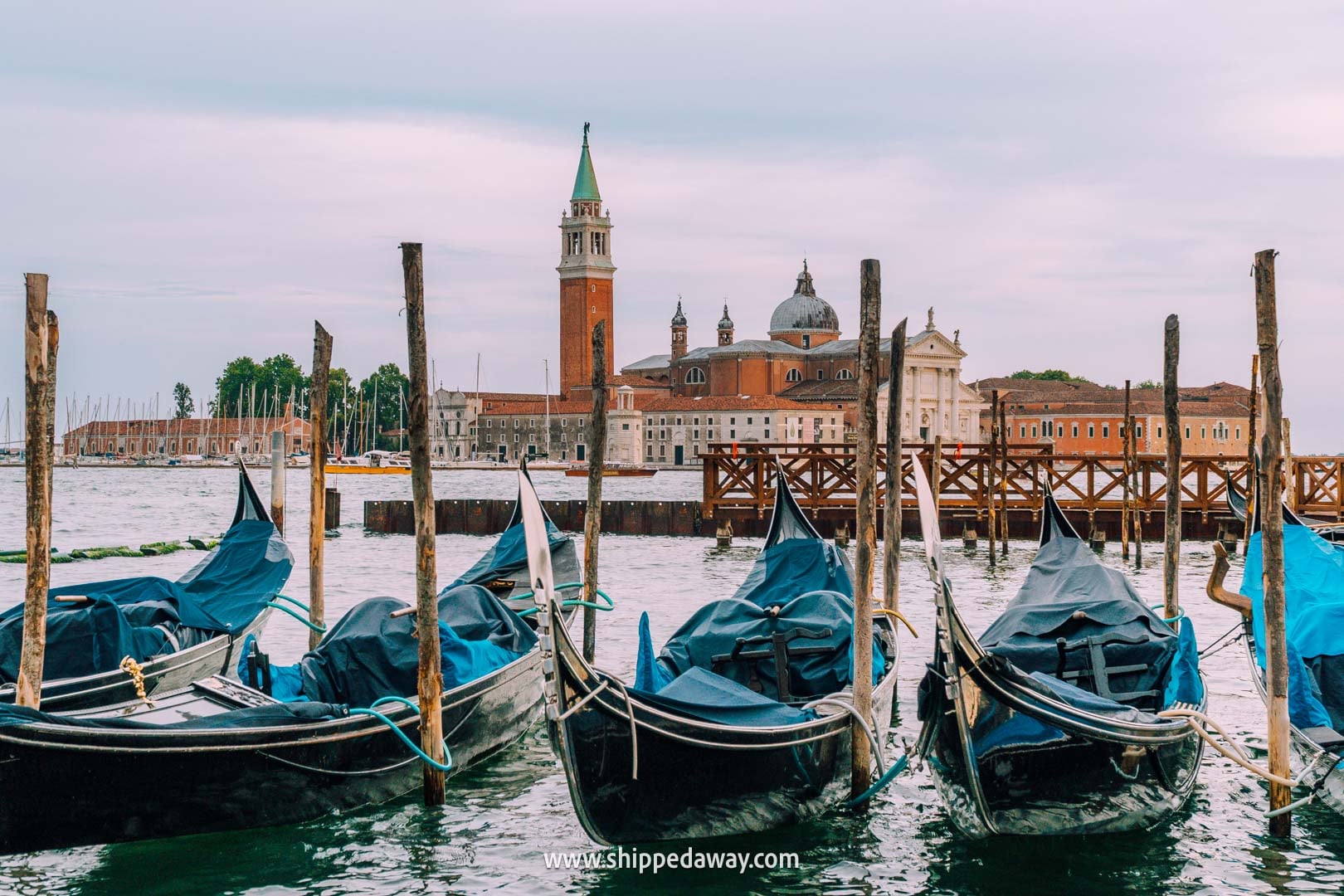
You can take a boat across to San Giorgio Maggiore right from the Riva on the Vaporetto Line 2. Again, the transport pass makes the most sense for saving money and time on tickets.
We were really looking forward to visiting the island and going up for the awesome views, but since the bell tower is currently closed for renovation, we decided to skip it.
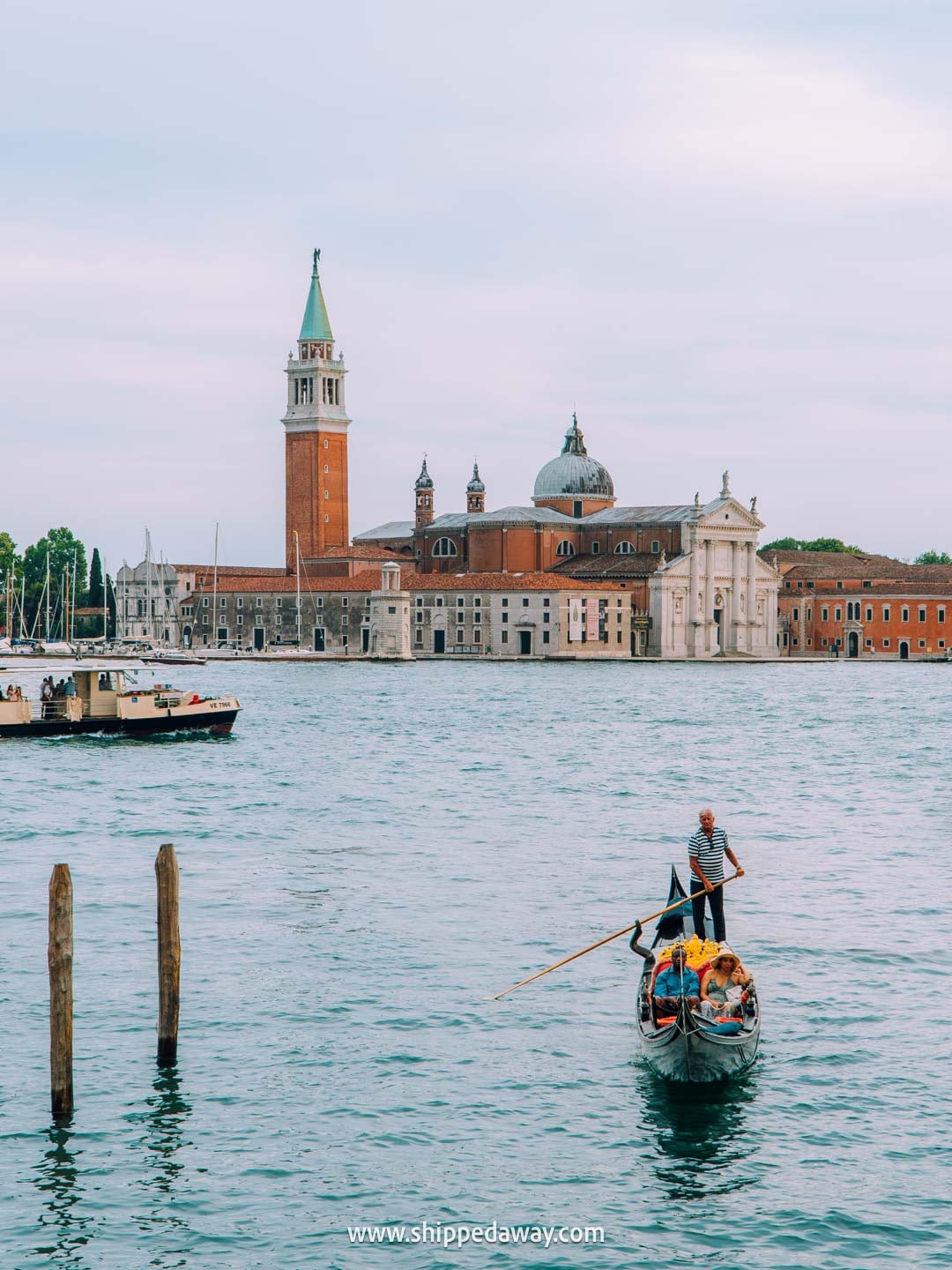
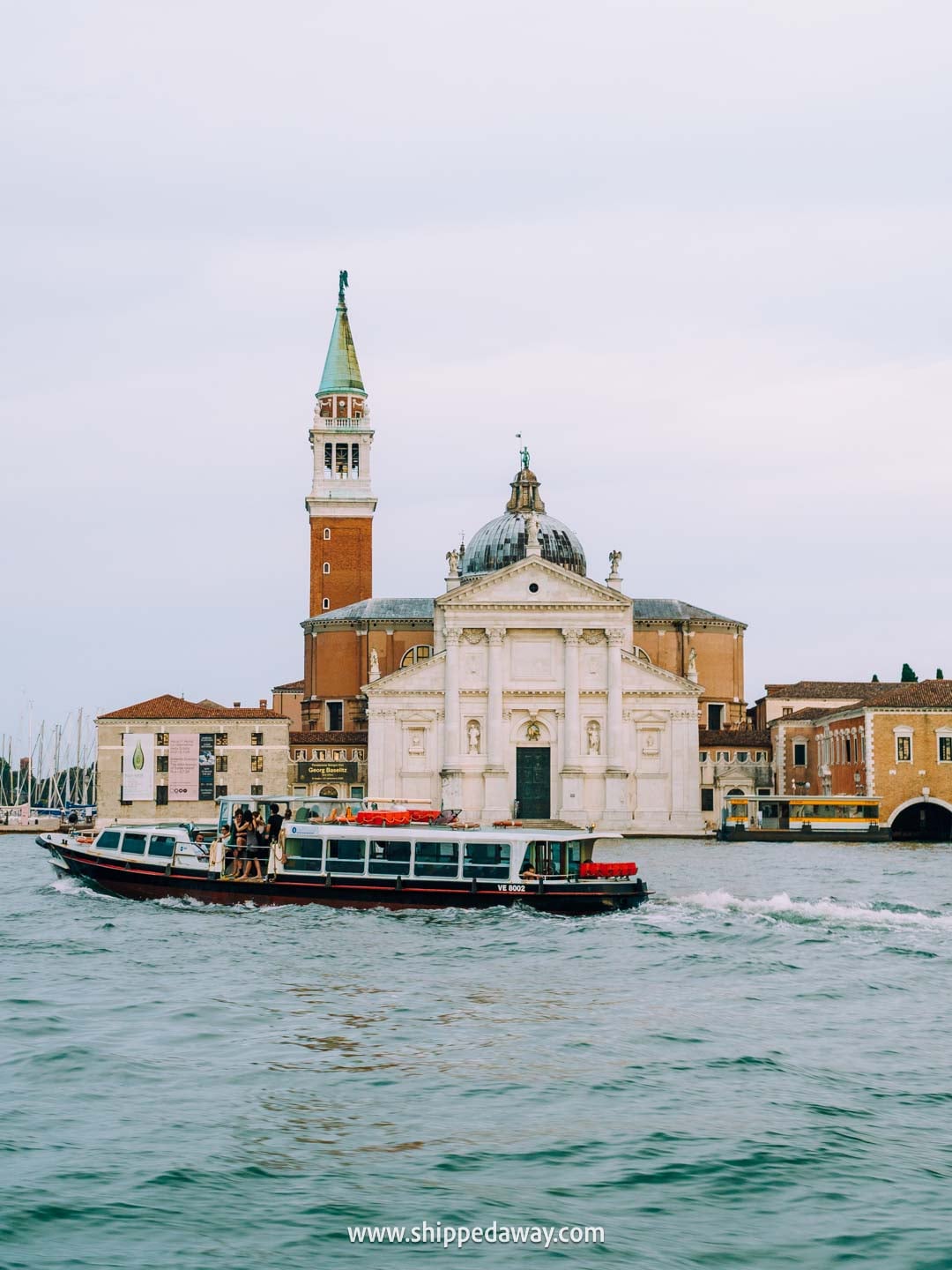
We first saw the island on one of our Vaporetto rides we took from Piazzale Roma that doesn’t go on the Grand Canal, but instead follows the route past the large island of Giudecca and San Giorgio Maggiore. We chose that line on purpose so we could see the other islands of Venice.
7. Teatro La Fenice
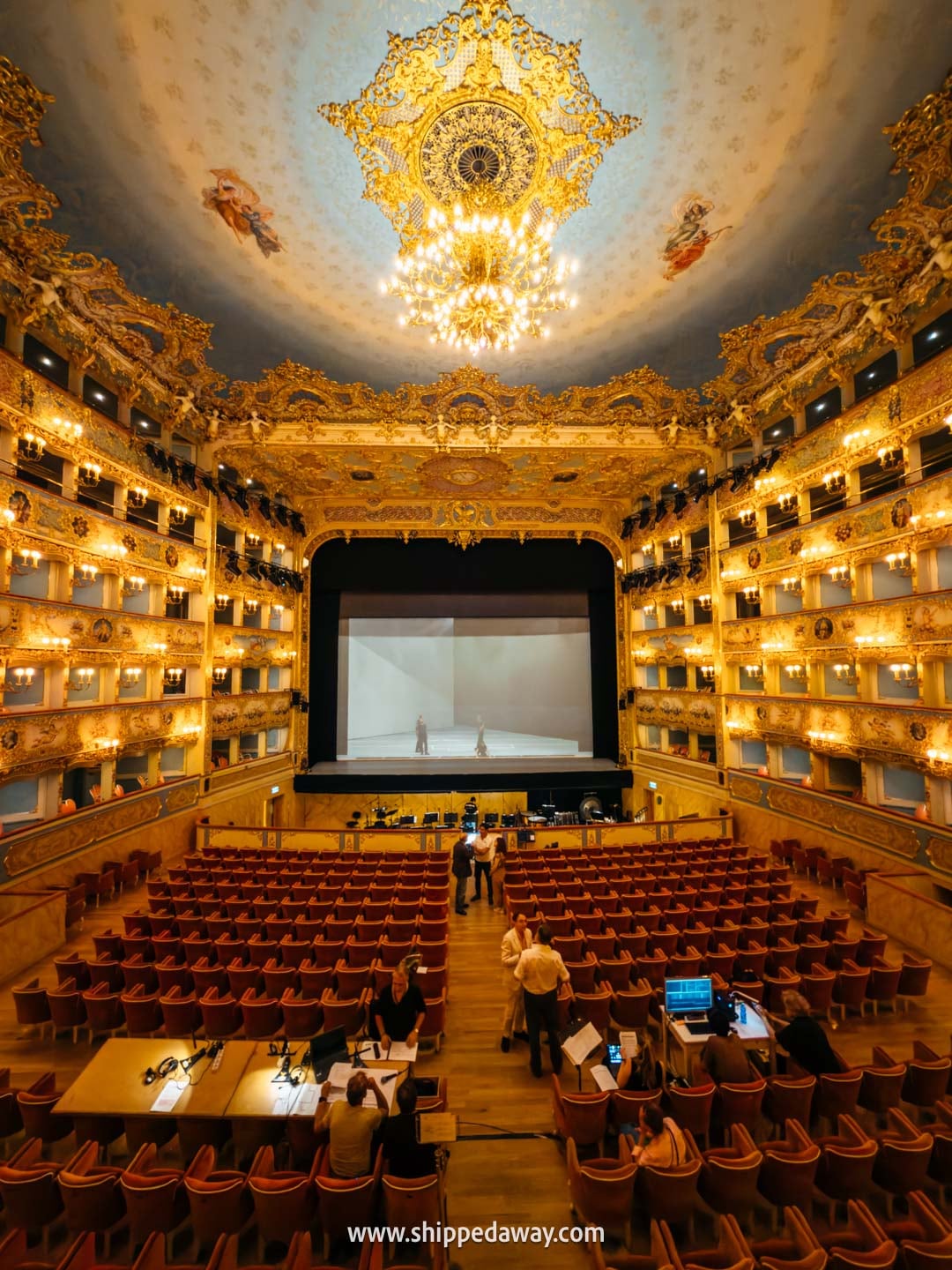
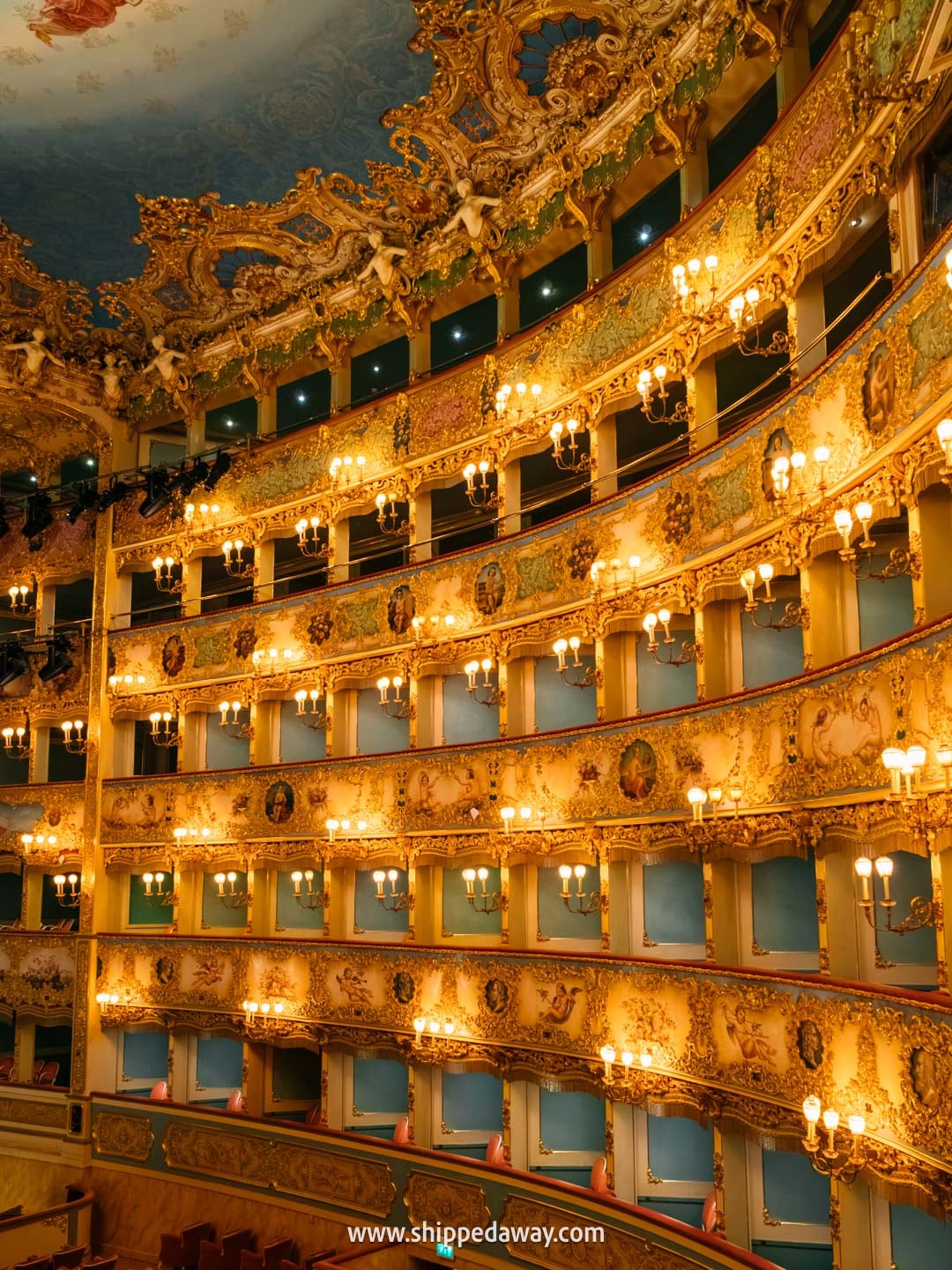
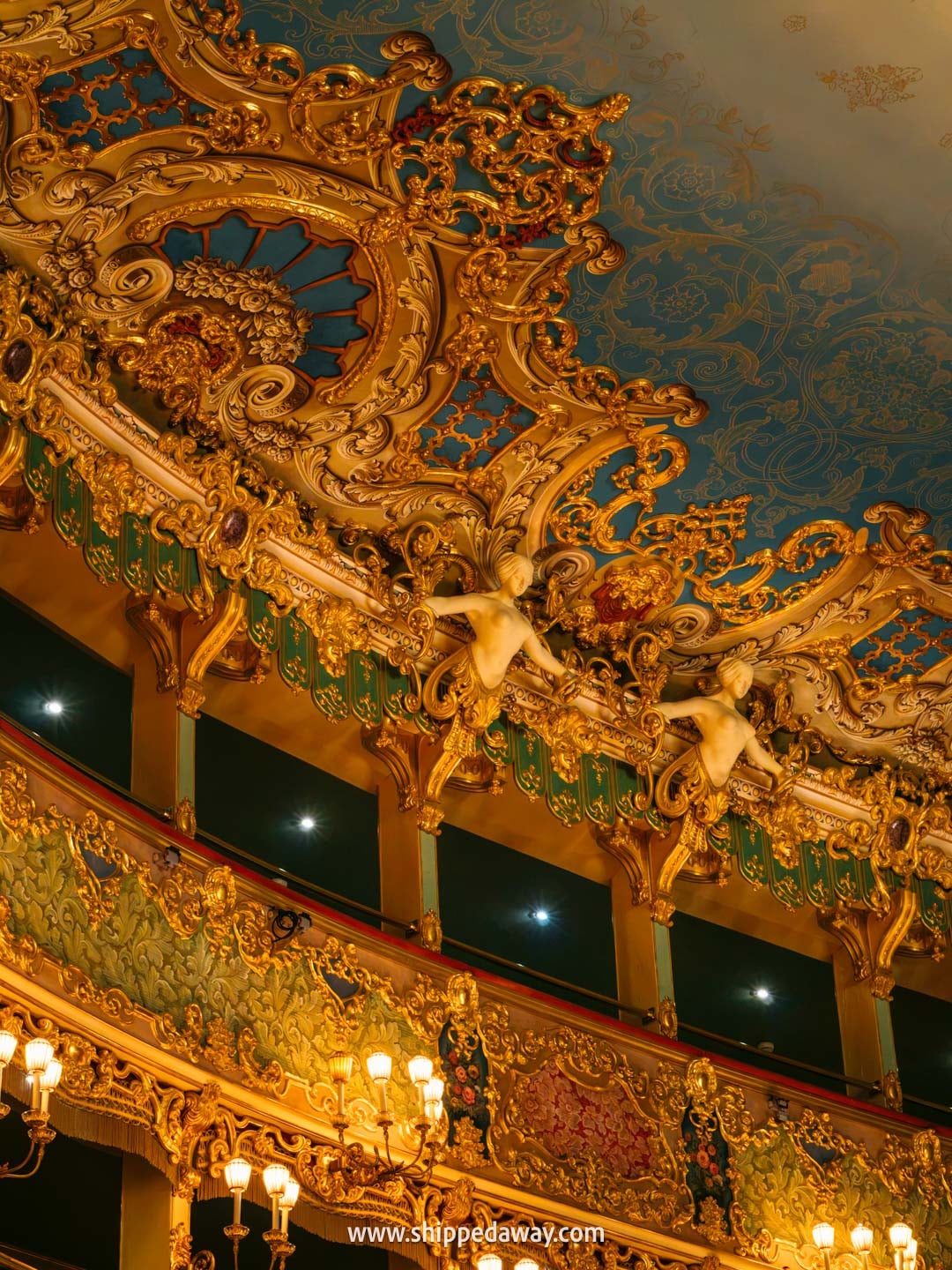
A stunning building we did end up visiting in Venice was Teatro La Fenice, a historic opera house.
An interesting fact about Teatro La Fenice, literally translated as The Phoenix Theatre, is that it burned down three times and was rebuilt three times, the latest in 1996. The current “version” has been open since 2004.
Even though it was burned down and rebuilt, it was rebuilt in the original style, so it’s still worth seeing the theater’s stunning interior. You can do so during the day and walk around the different areas.
Visiting info
Price: 12 EUR – you can buy it at the spot, but we booked our ticket online
Opening hours: 10 AM to 5 PM
During our visit, there was something going on in the theater (not a performance), and we actually only got to enter one single room.
We honestly feel cheated because we couldn’t access most of the areas included in the visit. Plus, the theater light that lets you see the beautiful interior was only on for about 5 minutes. Then, they turned it off so we couldn’t see anything anymore.
We hope this is not something that happens often, and we hope that they will add some notifications about such events in the future. As much as it was annoying, the biggest annoyance was not finding anything about it online on their website or any travel platform.
8. Walk over Ponte dell’Accademia to Dorsoduro
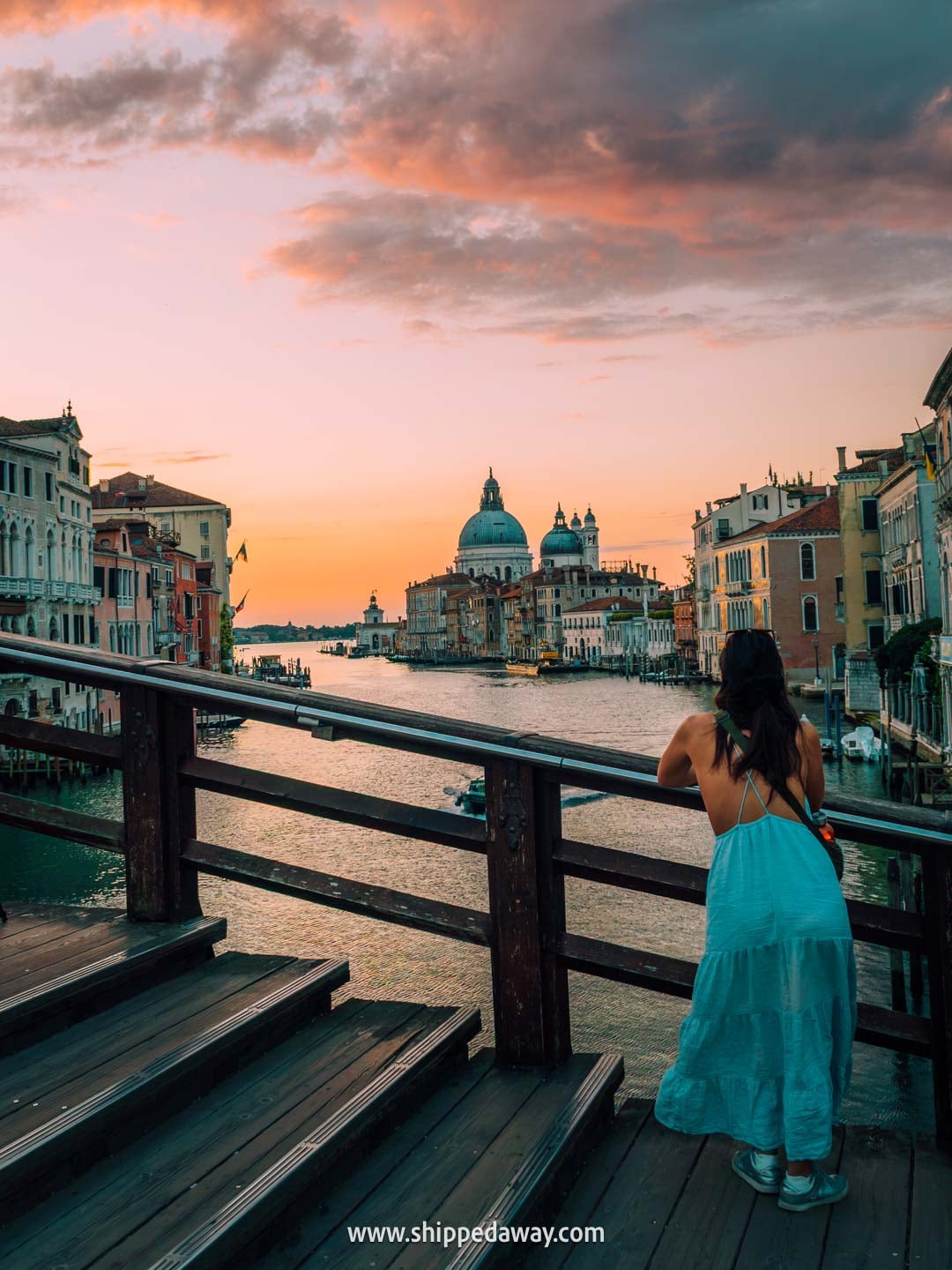
We mentioned earlier that we watched a sunrise at the Ponte dell’Accademia (it’s a great spot!). But it’s also the connection between the San Marco and Dorsoduro neighborhoods.
Compared to the popular and busy San Marco, the sestiere of Dorsoduro is a complete contrast. There, you’ll find smaller, hidden canals, which are equally impressive.
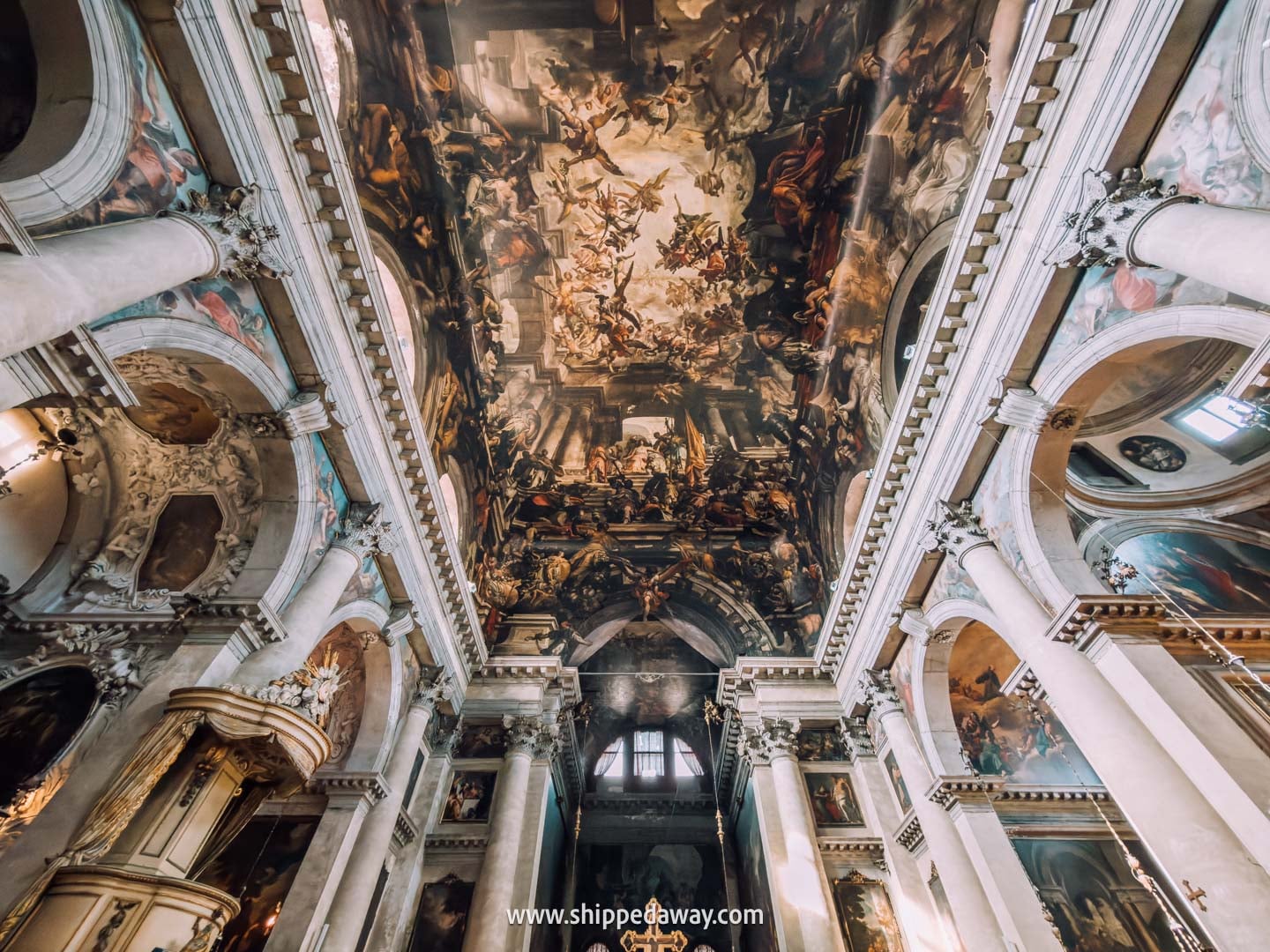
The main attraction in Dorsoduro is the beautiful ceiling frescoes in the Church of San Pantalon. It’s free to visit, and it’s absolutely stunning.
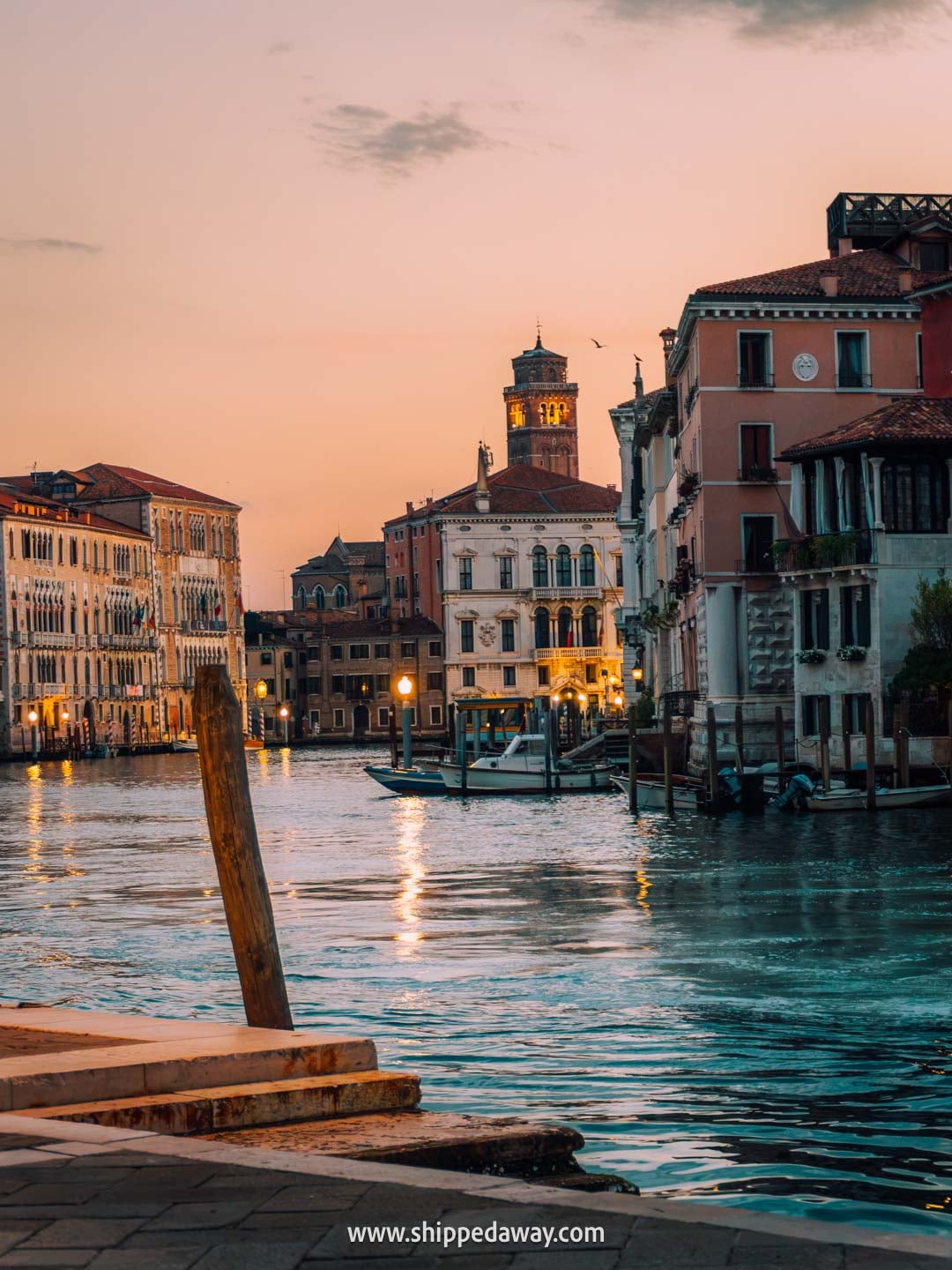
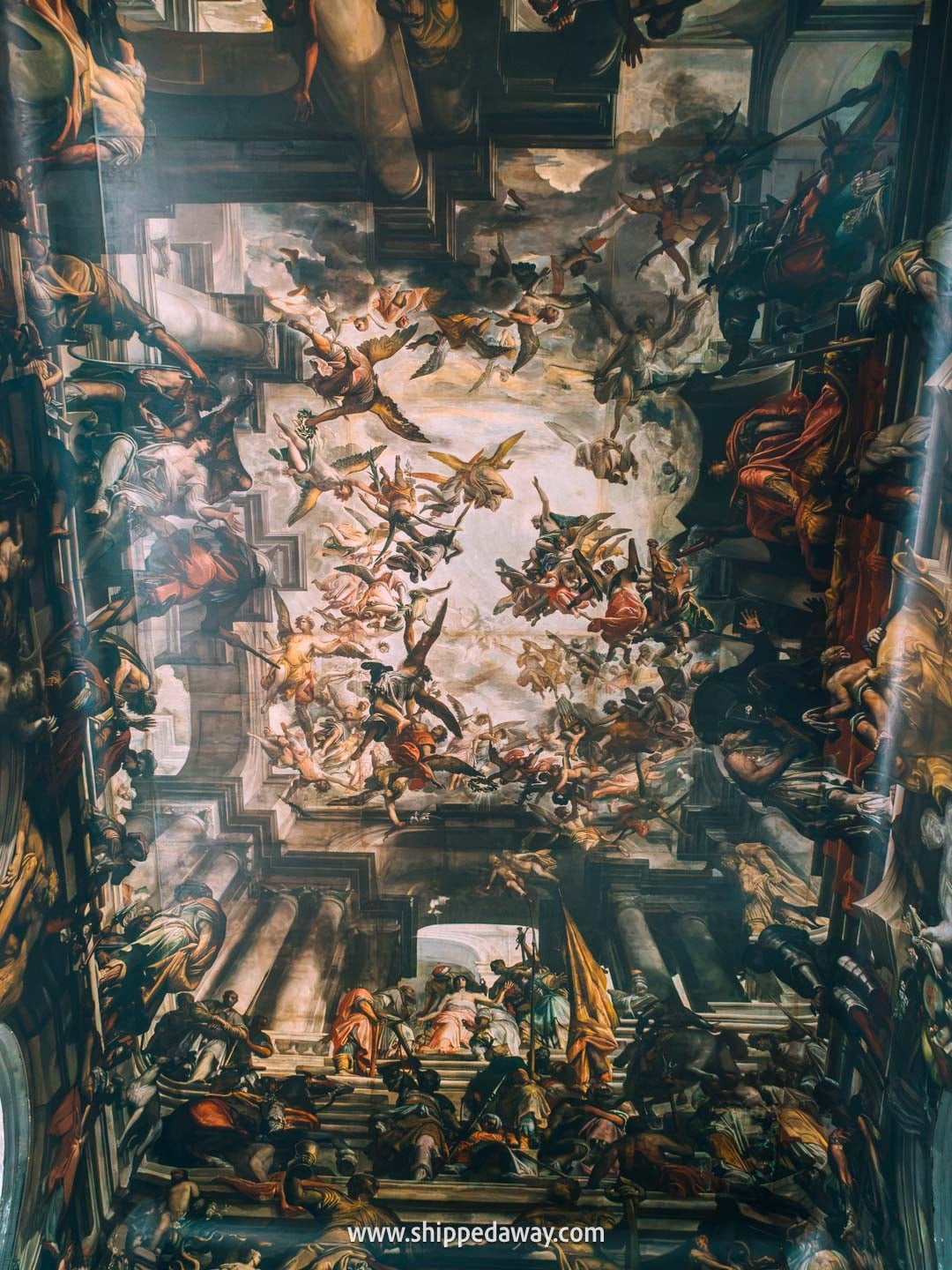
Fun fact
We actually walked through the whole Dorsoduro neighborhood from the Piazzale Roma bus station on the way to the Accademia Bridge for sunrise.
It was faster, just 20 minutes, compared to 30 minutes on the Vaporetto (plus there’s the waiting time). It meant we could sleep 10 minutes longer!
So if you’re staying in Mestre, like us, and want to watch the sunrise, walking through the quiet streets might be better than taking the water bus.
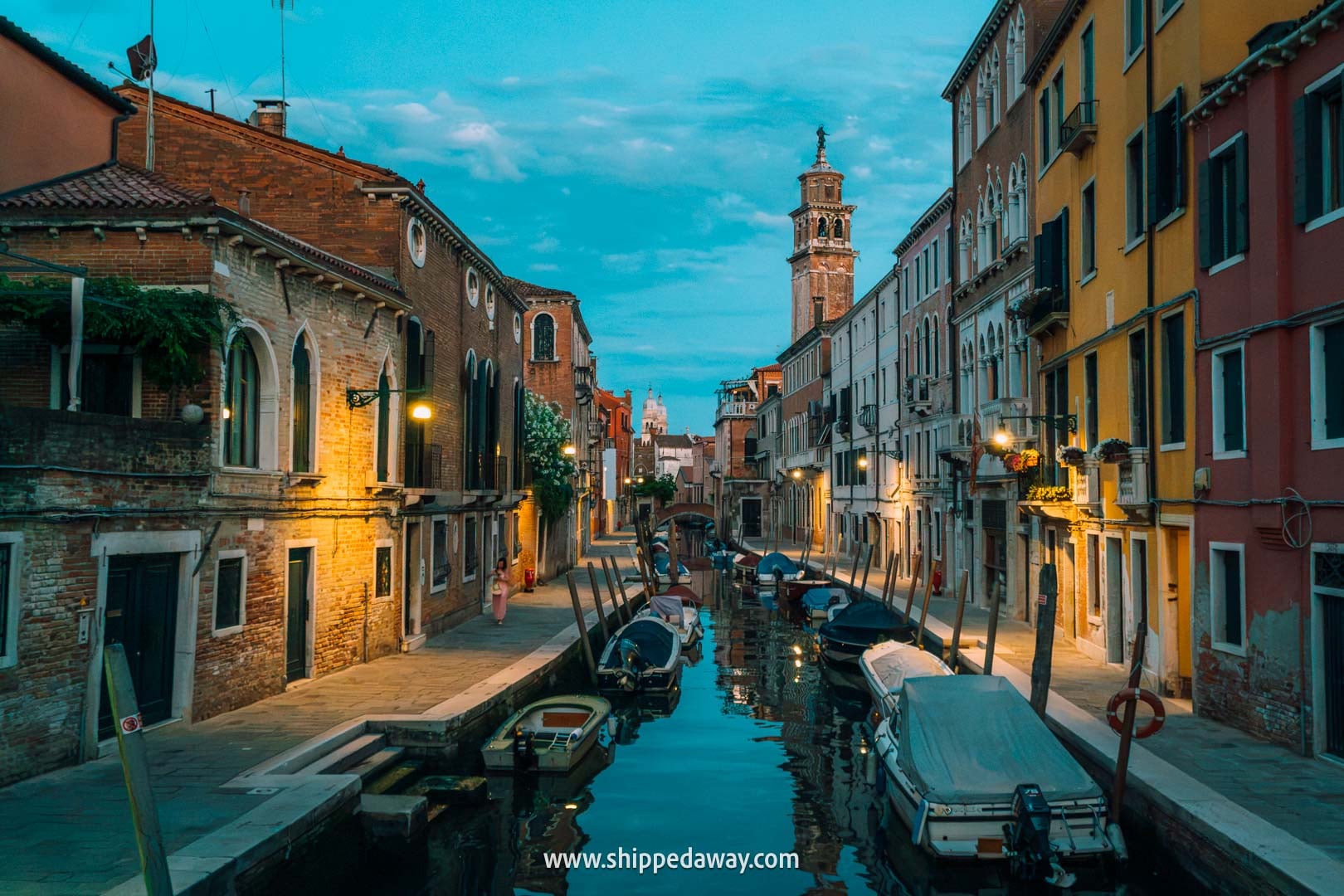
9. Cannaregio neighborhood
We already mentioned a few different sestiere (neighborhoods) of Venice, and the last on our list is Cannaregio, a residential part with still-quiet corners. It’s also where the Jewish ghetto is located.
But beyond its appeal as less busy than the main parts and more authentic, Cannaregio is where you go for local food, aperitivo, or a tasty dessert while sitting by a canal.
Why here? Because fewer boats pass the canals.
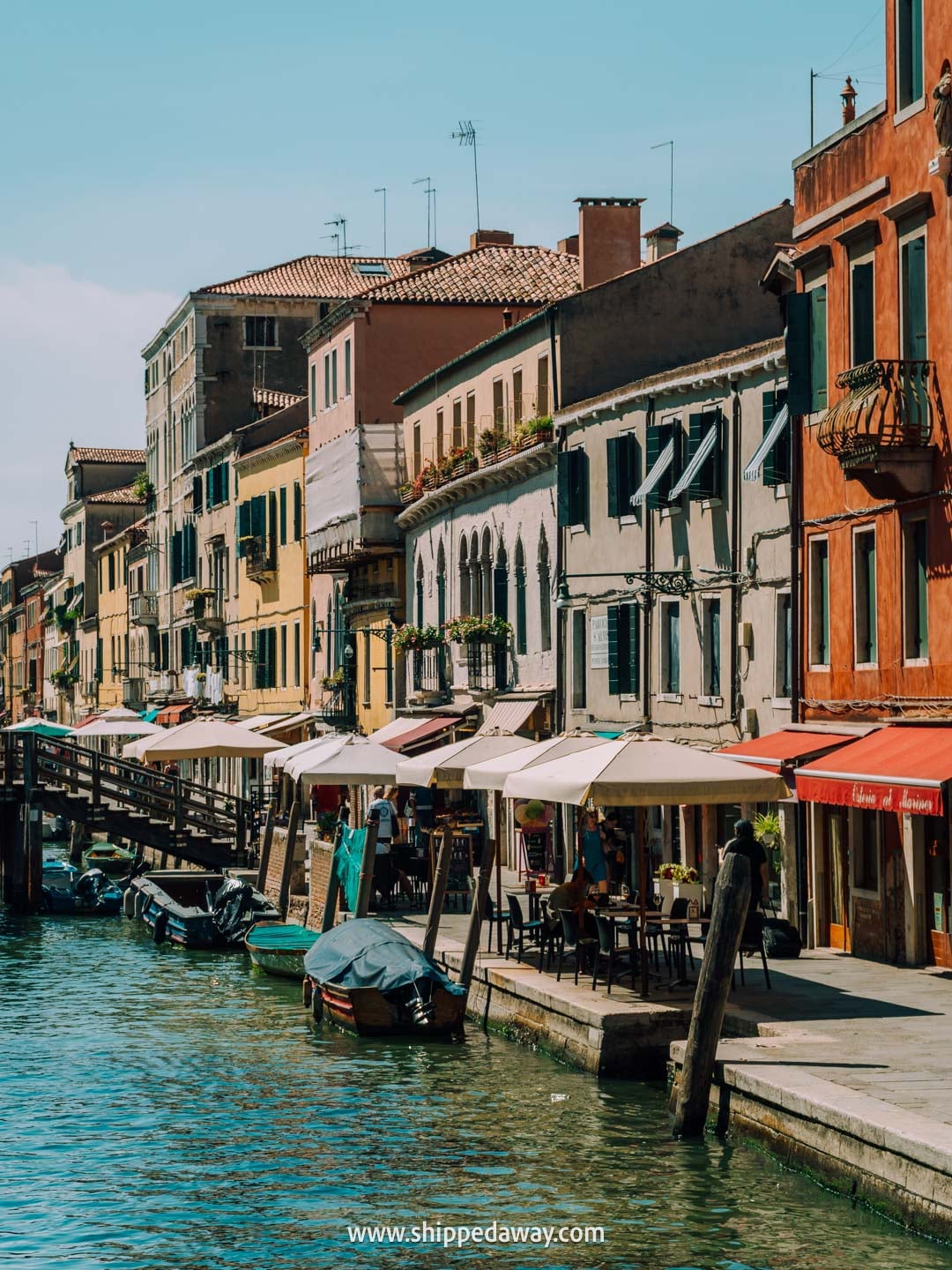
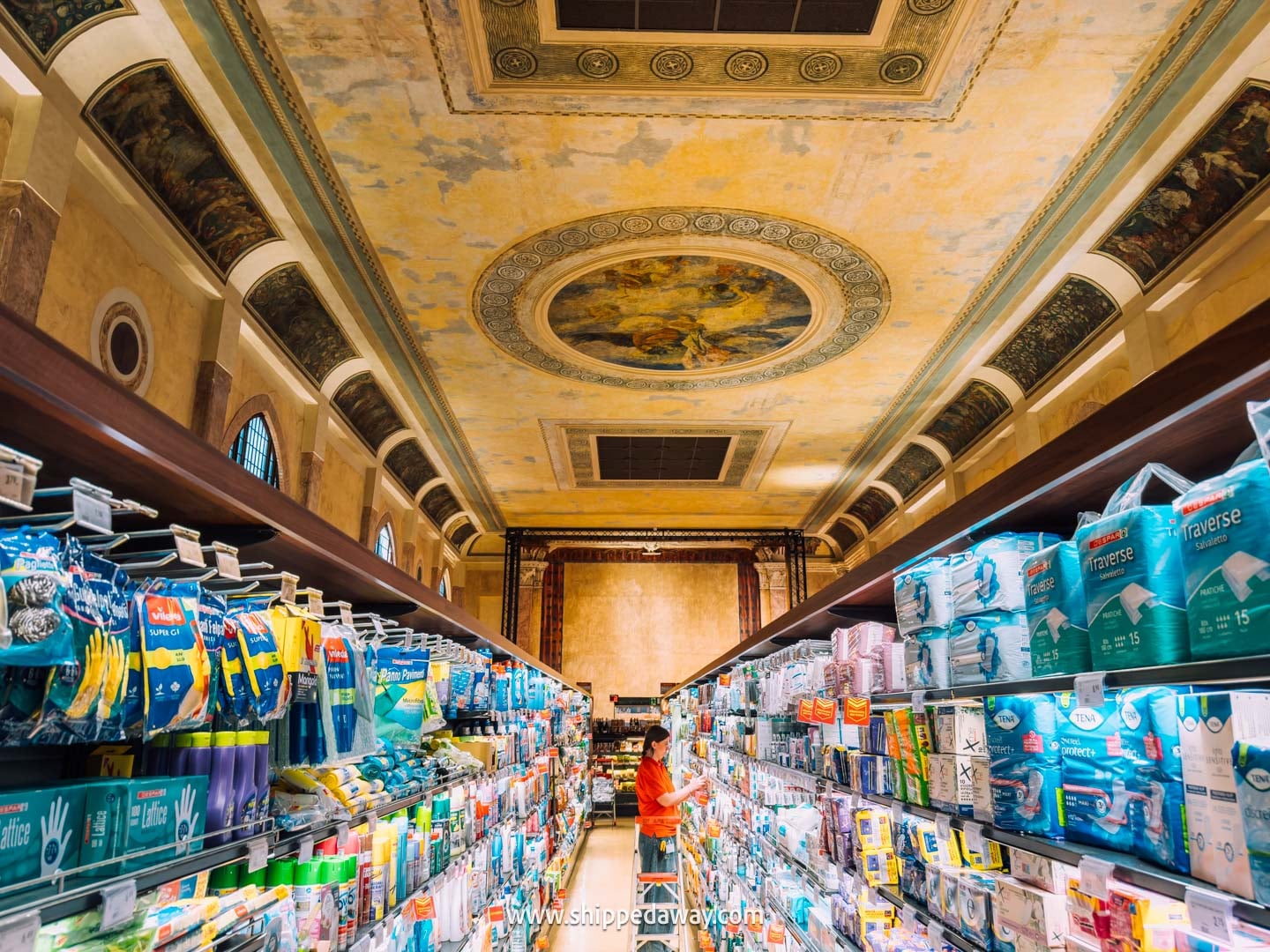
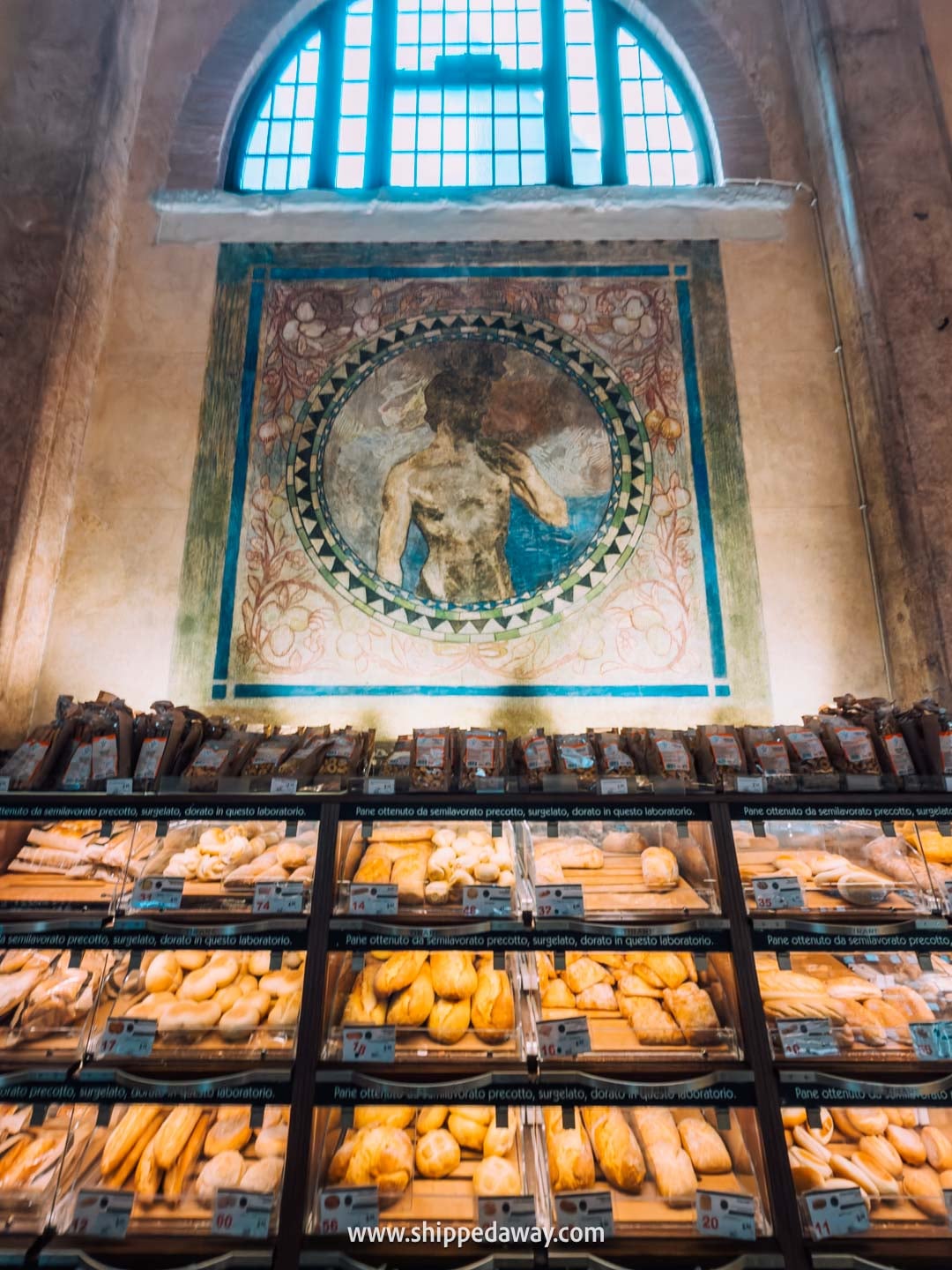
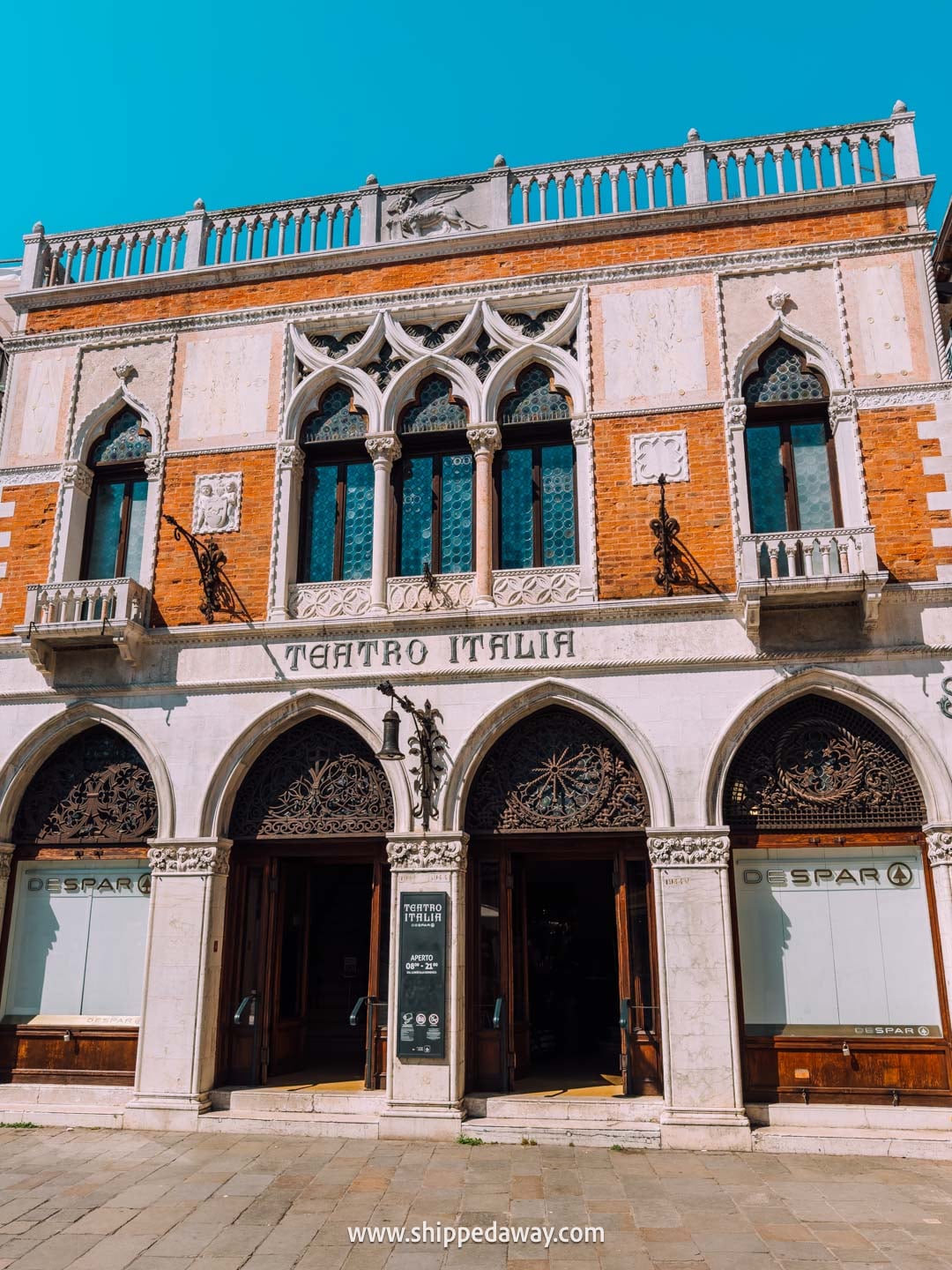
The place we were most looking forward to visiting in Cannaregio was a grocery store. Yes, you read that right. But wait for it… The store is located in a historic building where a theater once was!
So as you walk the aisles in the store, you look up and around you to see amazing art. We didn’t need more than a drink at the store, so we practically visited just for the theater. We believe many others do the same. The store is called Despar Teatro.
Food timing tip
Make sure to check the opening hours of restaurants in Venice in advance, as they usually close down for a few hours in the afternoon.
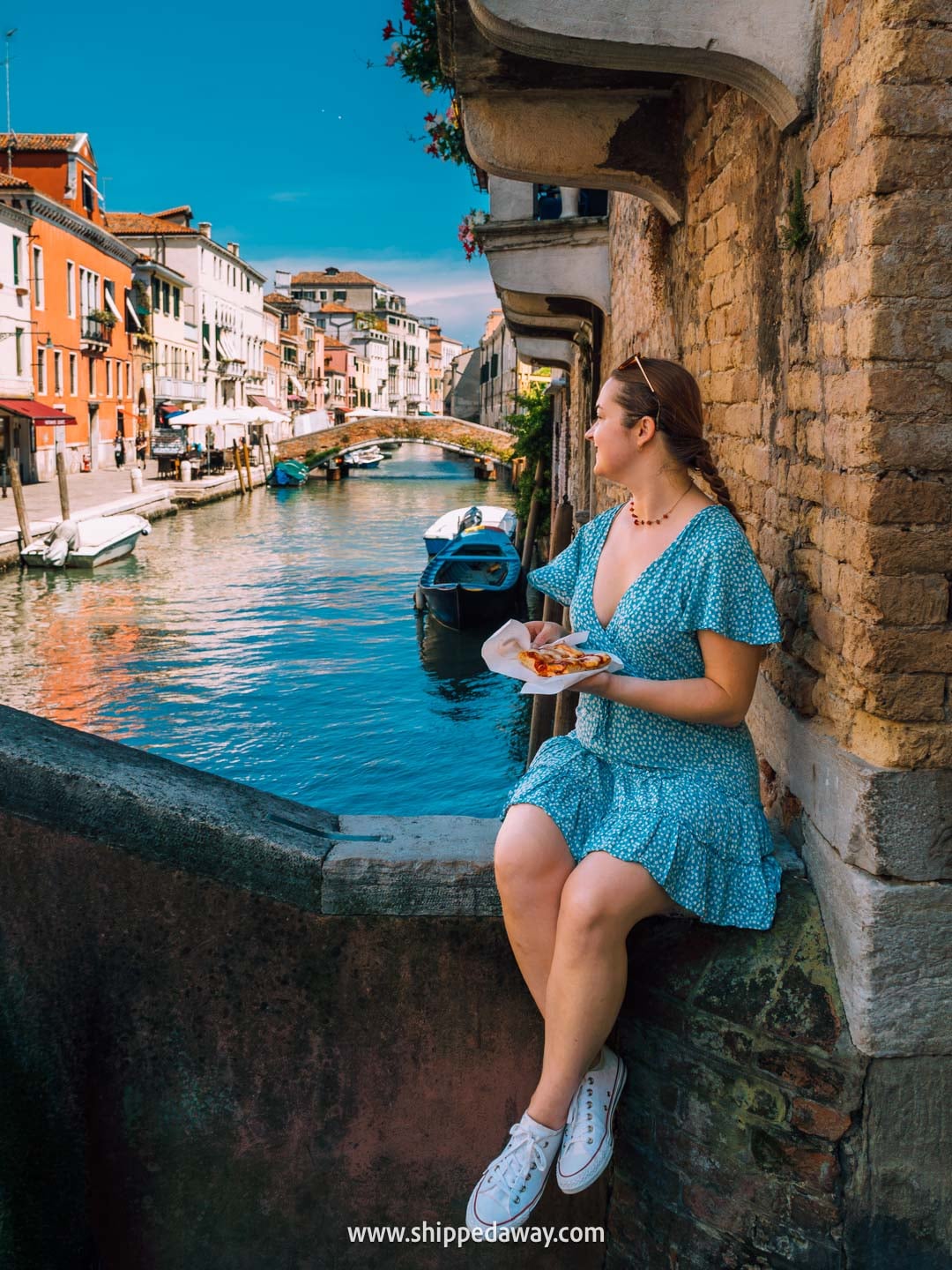
We made the mistake of not checking in advance, so we couldn’t get the pizza we really wanted at Pizzeria Da Zorma in Cannaregio. The reviews say it’s perfect, and it’s in a nice spot by the canal where we planned to sit and enjoy the pizza.
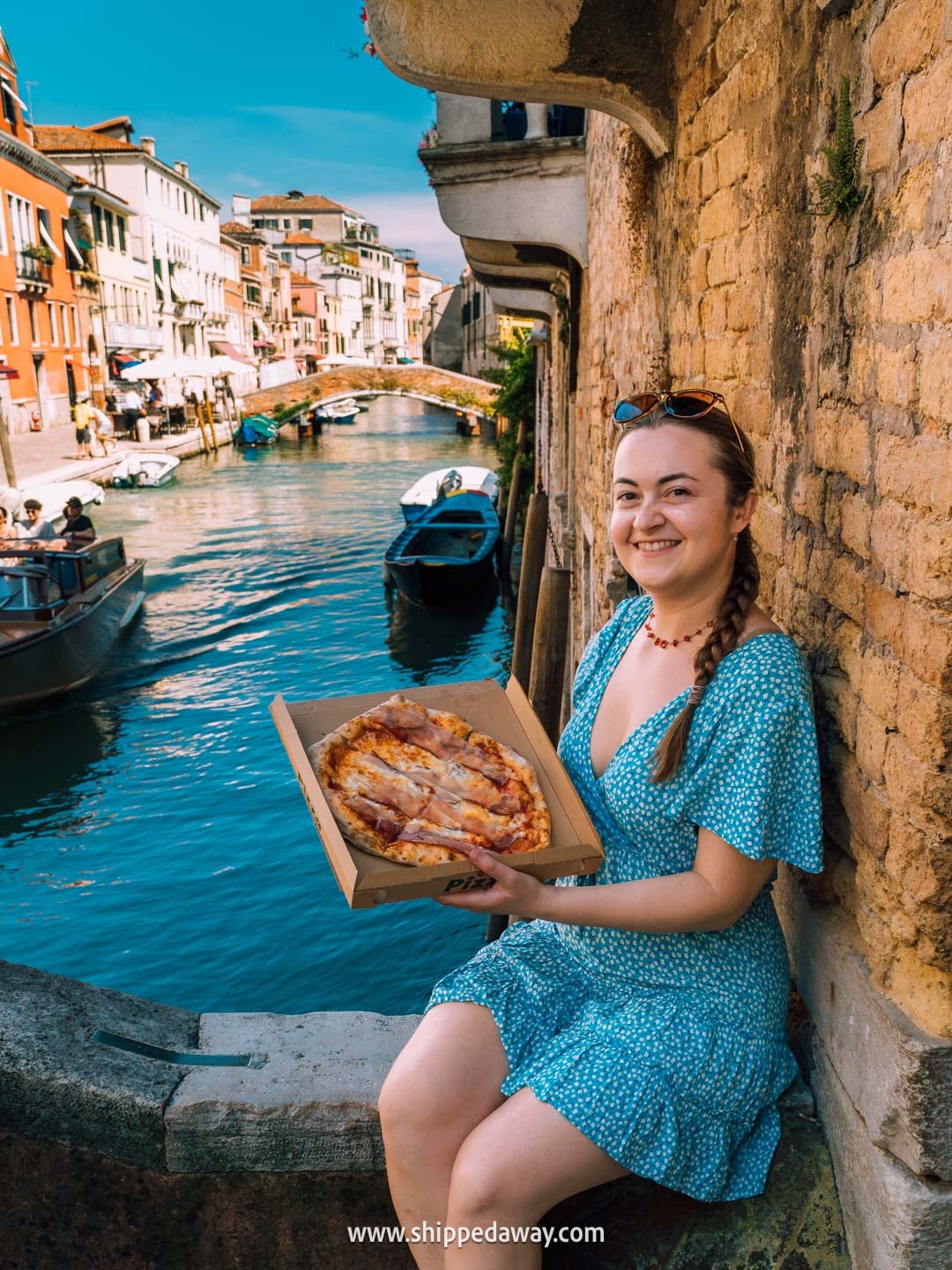
But we did find a great pizza place called Arte Della Pizza just around the corner. It’s a small spot, probably visited more by locals than tourists. It’s similar to other pizza places around, which means mostly takeaway, so we grabbed two slices and went to one of the bridges to enjoy them.
We were still hungry, and since it was really good, we decided to go back and order another full pizza. That was a great choice, as it was fantastic and actually a really good price for being in Venice.
10. Islands of Murano and Burano
The historic center (centro storico) of Venice is built on top of 118 smaller islands, which are connected by bridges.
But beyond the central islands which form the so-called island of Venice, there are over 100 more islands in the Venetian lagoon, each with a unique vibe.
The most popular islands beyond Venice are Murano, the third-largest island in the Venetian Lagoon, and Burano, the tenth-largest.
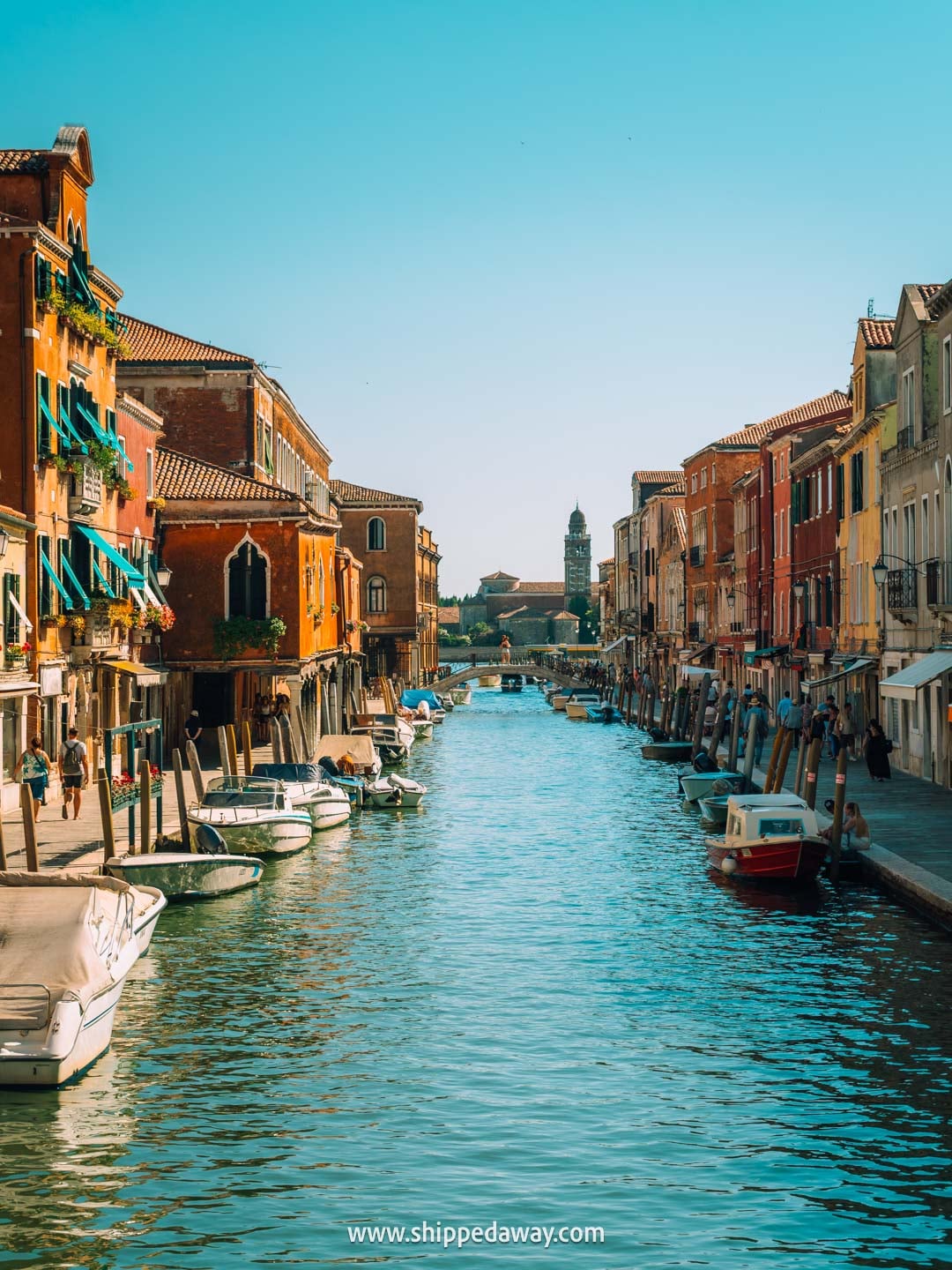
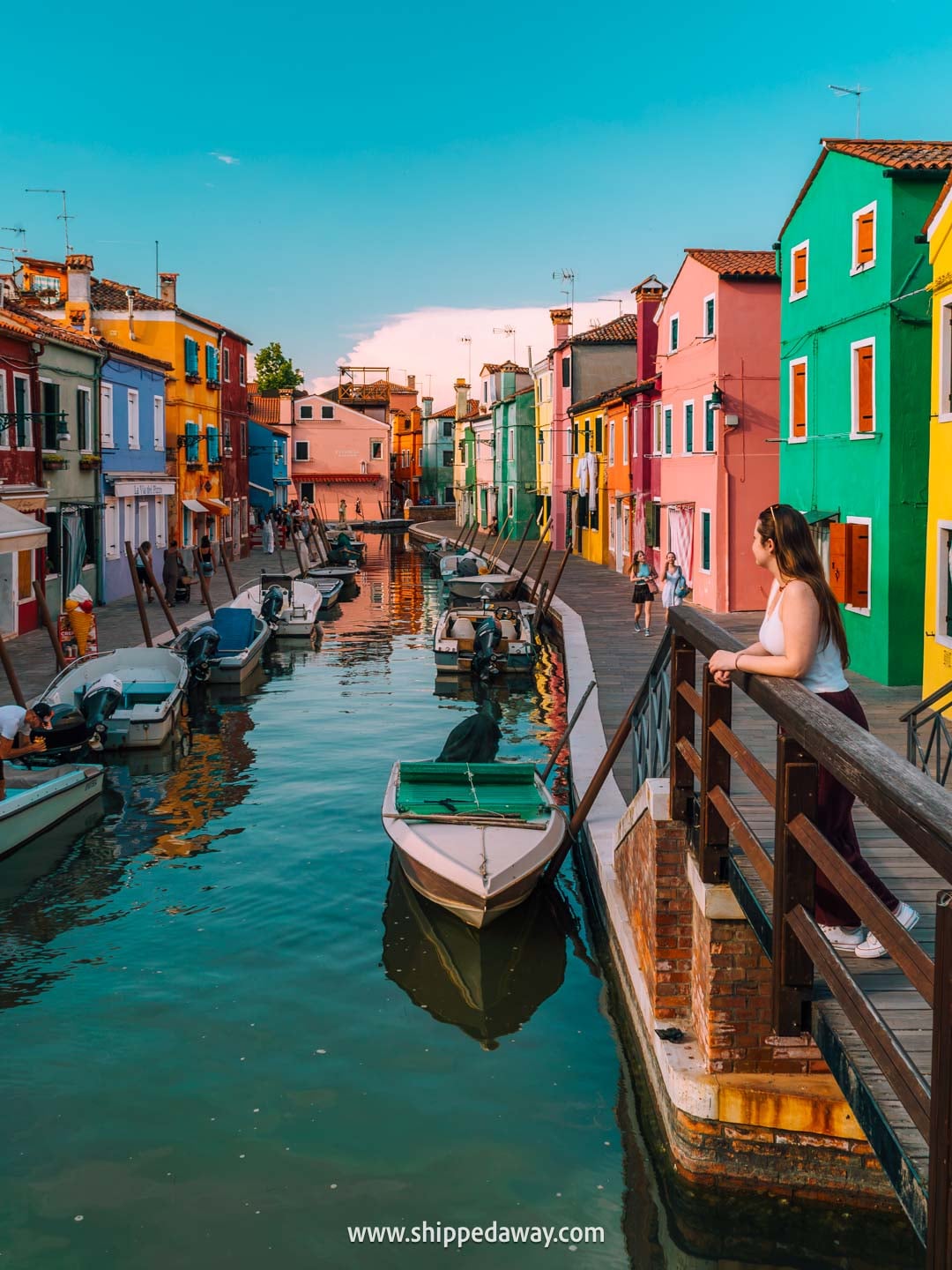
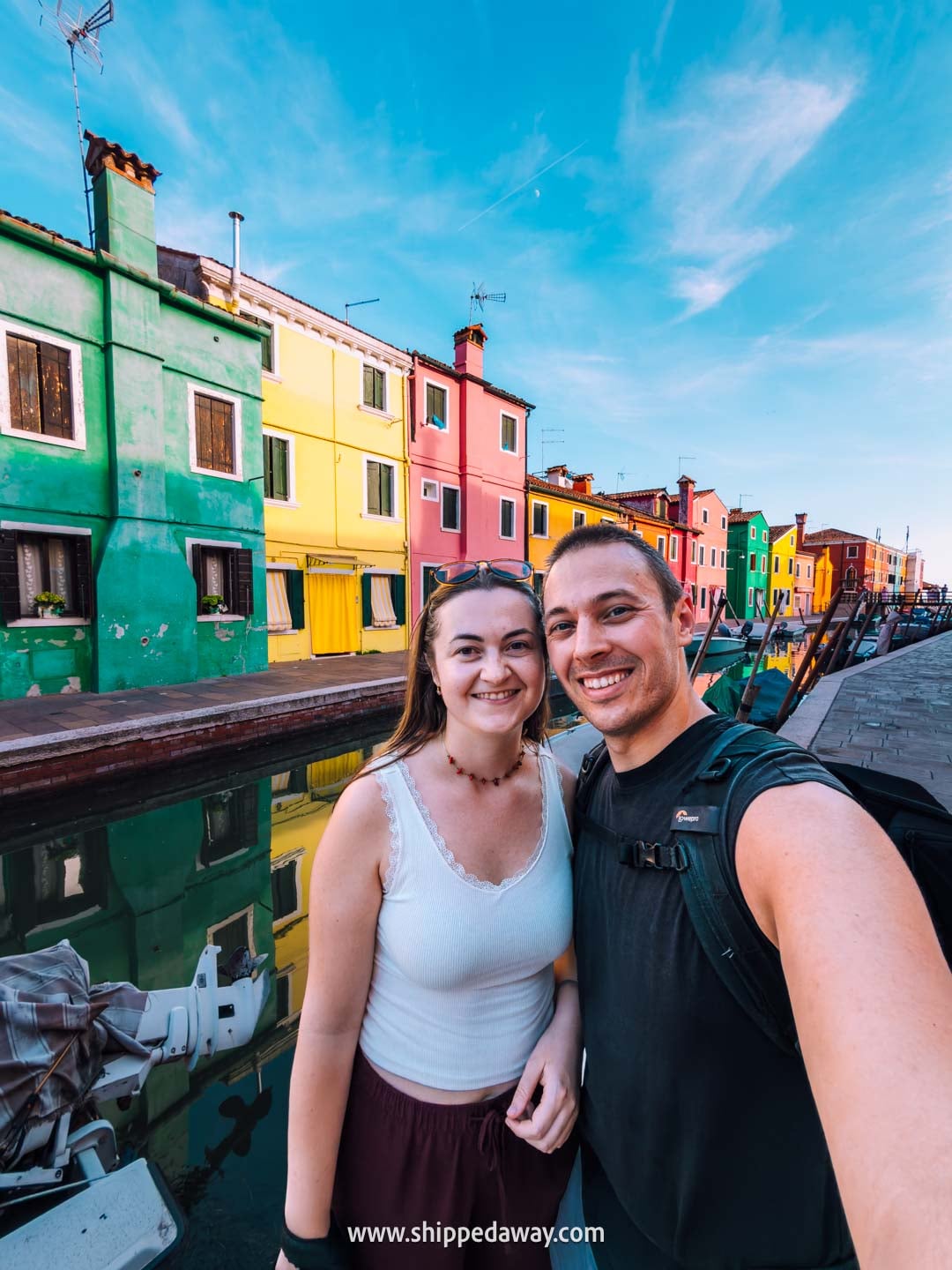
Murano is quite close to Venice, only about 10 minutes by boat, while it takes about 40 minutes to reach Burano.
A popular thing to do in Murano is to watch a glassmaking demonstration. Unfortunately, we arrived in Murano too late (about 4:30 PM), and all the workshops had closed just minutes earlier. But Arijana did see a demonstration on her visit 15 years ago. So now it’s Matej’s turn.
That’s why we highly recommend booking a demonstration online to secure your time slot and know exactly when to come.
How to get to Murano and Burano
The easiest way to get to both islands is by Vaporetto – take the line 12, which stops in Murano before continuing to Burano.
We visited Murano and Burano in an afternoon, which is usually enough time to see the highlights of both islands.
We highly recommend buying a Venice Transport Pass for your journey to Murano and Burano, as otherwise, you will pay much more for single transport tickets.
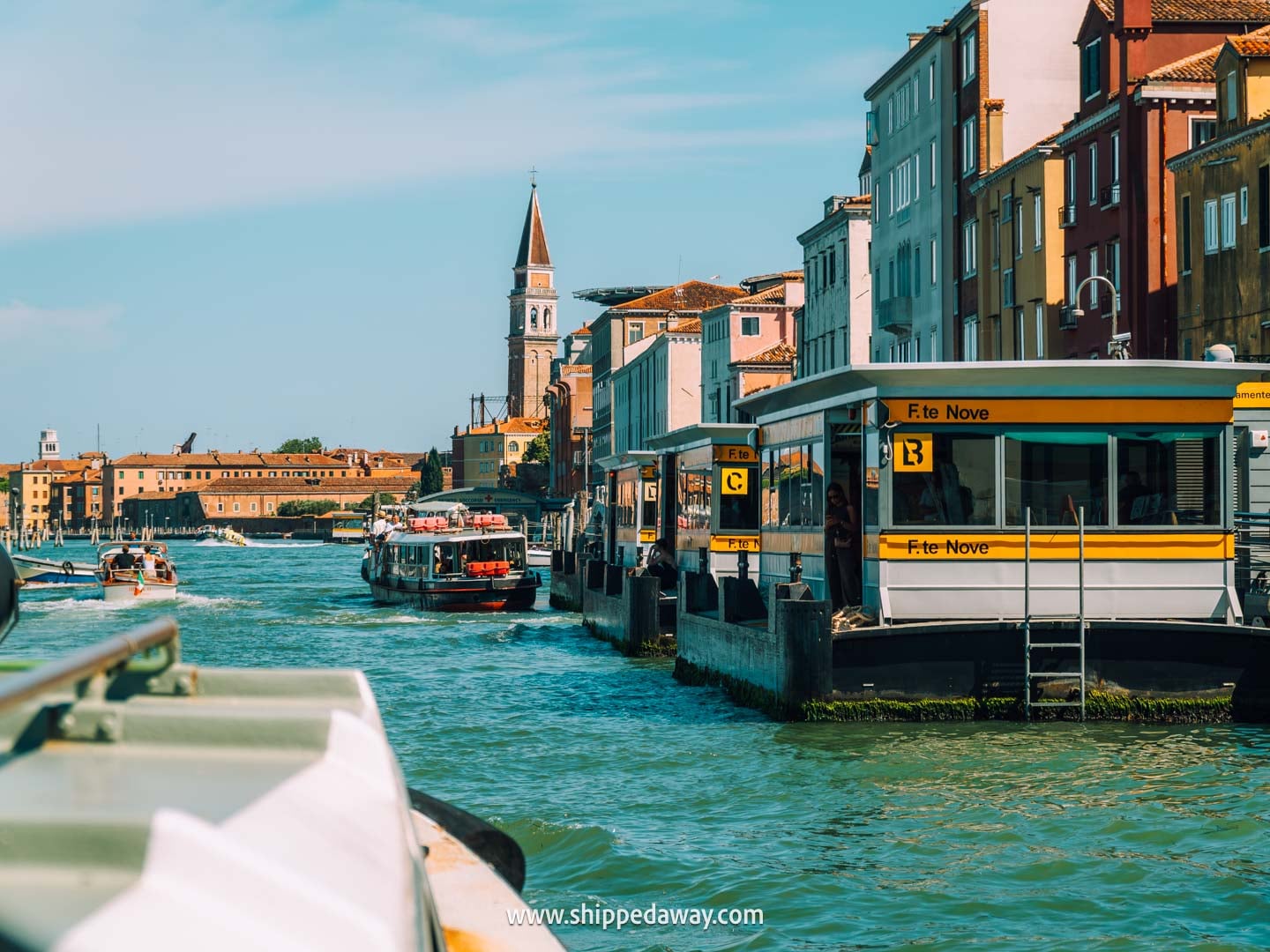
Don’t want to organize transportation and experiences in Murano and Burano?
There’s a super affordable and convenient Guided Islands Tour that makes so much sense if you’d like that instead.
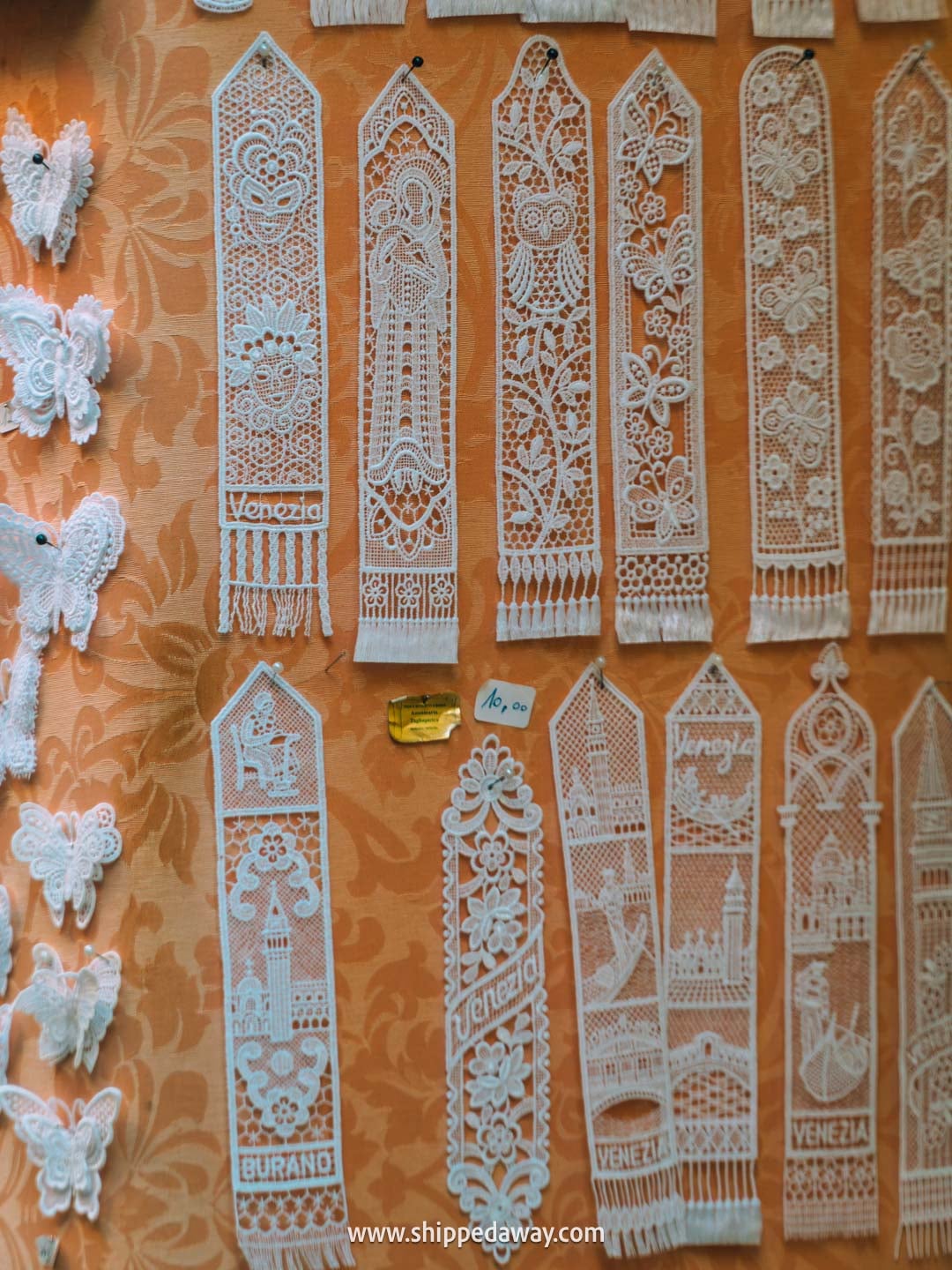
It covers transport, a glass-making demonstration on Murano, and a lacemaking demonstration on Burano. It has different time slots throughout the day, which is perfect for fitting it into your itinerary.
11. Rooftop and higher views of Venice
Venice is super flat with no hills or natural high points from which you could see the Venetian lagoon and city.
So, to get views from above, you can visit one of the rooftop bars or terraces, the Campanile bell tower, or the bell tower on the island of San Giorgio Maggiore.
Rooftop terraces aren’t that high, as buildings in Venice aren’t high at all – only a few floors. But they get you that perfect view of the canals from a bit higher perspective.
Unfortunately, on this trip we didn’t have enough time to visit any of the rooftop bars we’d planned to.
The best rooftop bars in Venice that offer spectacular views are La Terrazza, the Rooftop Bar of the 5-star Palazzo Canova hotel, right on the Grand Canal, and the Skyline Rooftop Bar on the island of Giudecca, just across from the main island, which is perfect for sunset.
We’re planning a visit to Skyline for our next visit. We actually saw the exact spot where it is on our Vaporetto ride past Giudecca. It’s part of the Hilton hotel in the big historic flour mill building (photo below).
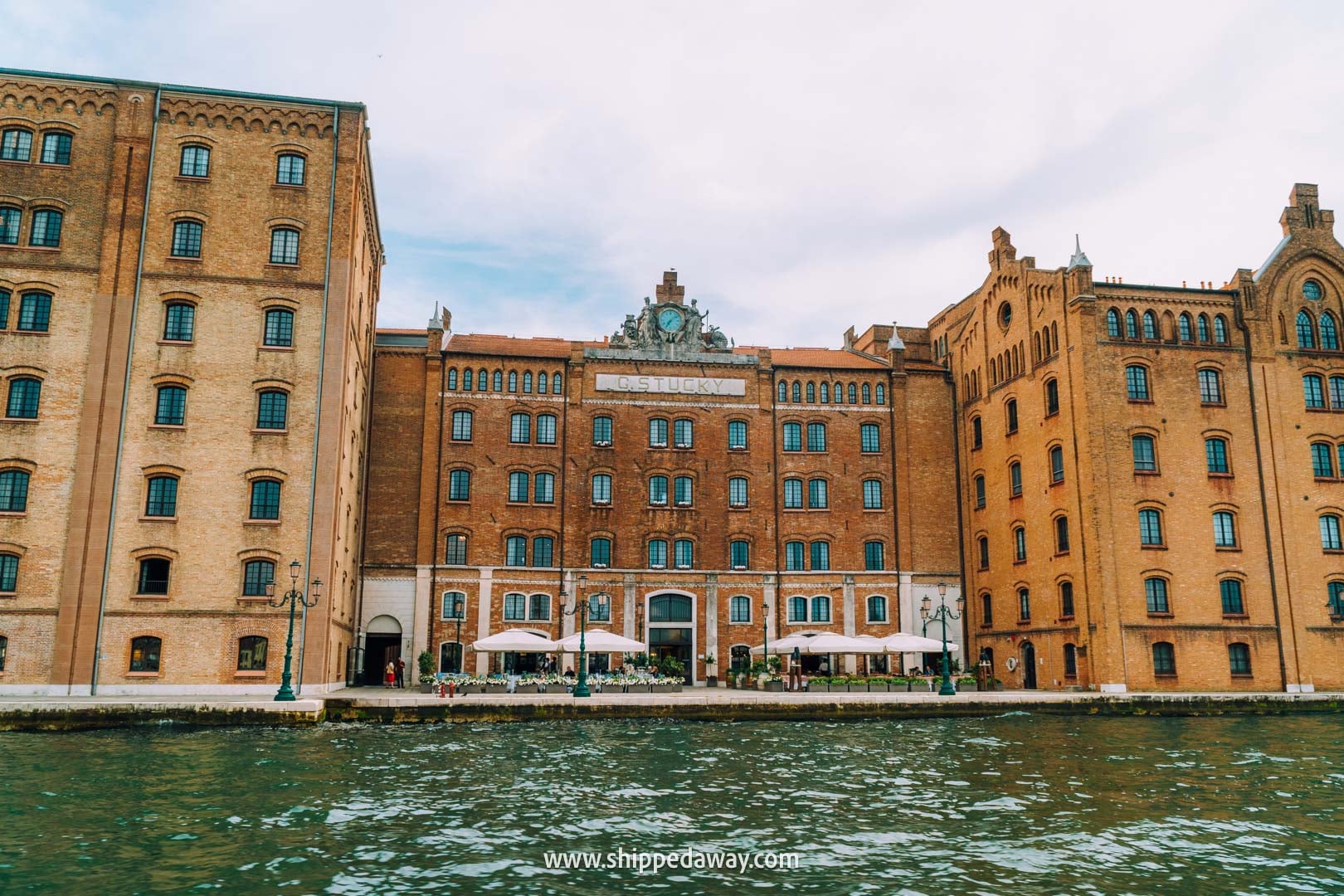
Just remember, usually in these places with fantastic views, the view is the star of the show, not the food or drinks.
Good to know: The famous T Fondaco Rooftop Terrace is permanently closed, so if you were planning to visit, unfortunately you can’t anymore. We were also looking forward to going there.
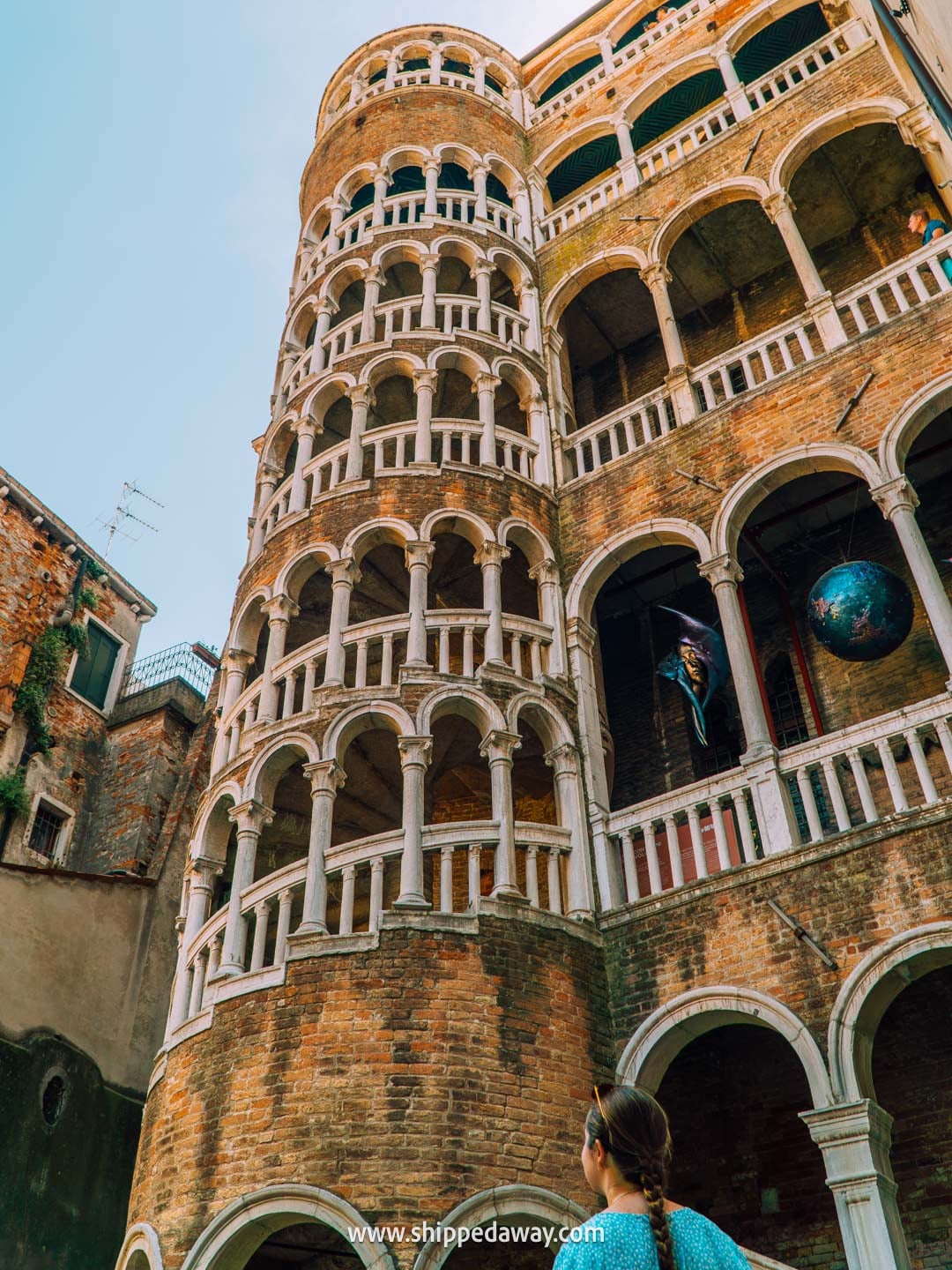
To combine higher views of Venice with a visit to a historic building, check out Scala Contarini del Bovolo, the exterior spiral staircase of a 15th-century palace. It was also used in the 1952 film version of Shakespeare’s Othello. We recommend booking your visit online in advance.
12. Libreria Acqua Alta
Libreria Acqua Alta literally translates to “High water bookstore”.
High water is when Venice gets flooded in the fall and springtime, and they recognize this by ingenious ways of keeping books afloat, like putting them on top of a gondola in the middle of the store.
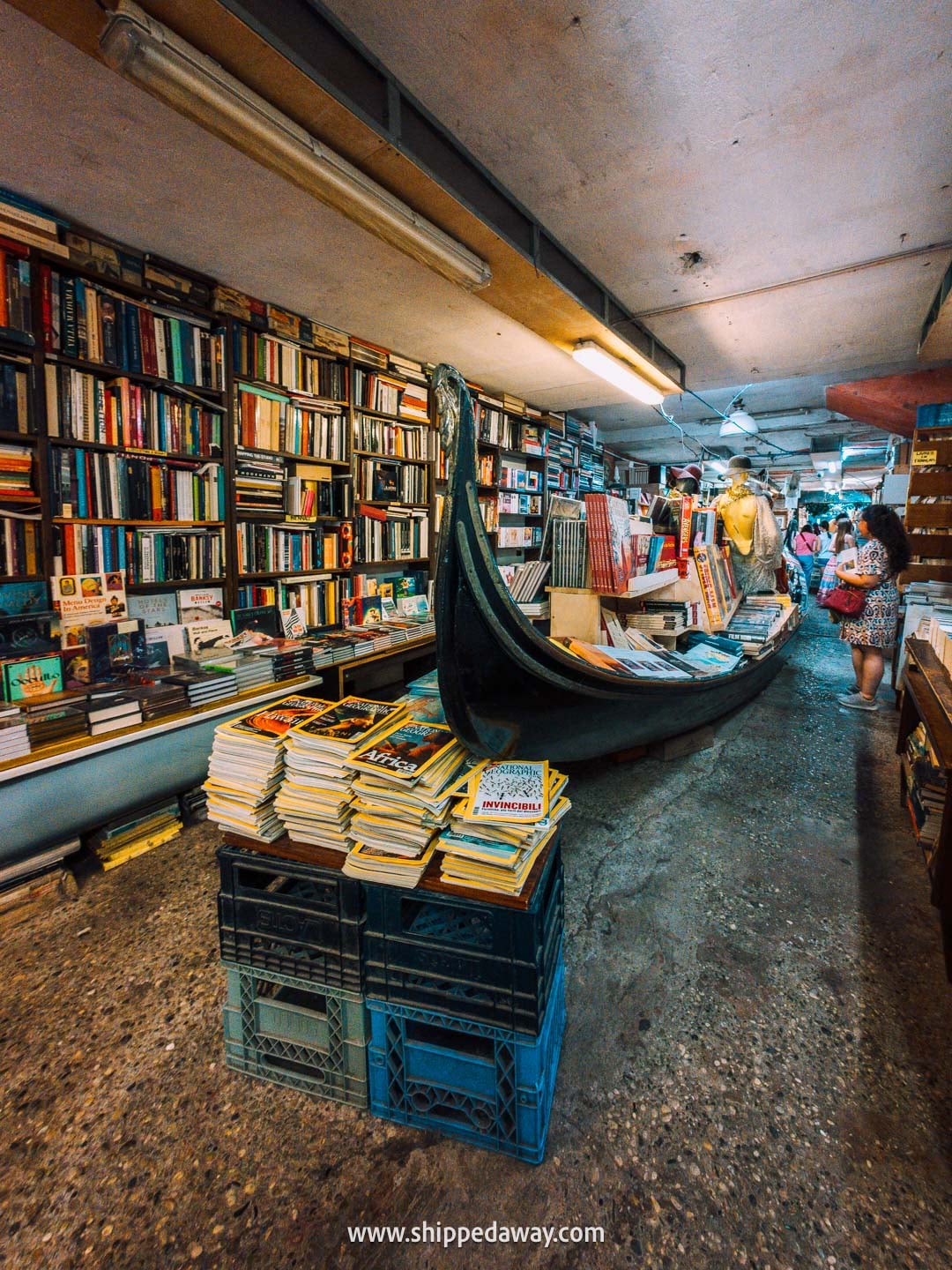

There is also a photo spot at the bookstore, where you can climb up books arranged into a staircase. Don’t worry – these books were about to be thrown away, so that’s why they used them cleverly for this. At the top of the books, you get a view of the canal just across the wall.
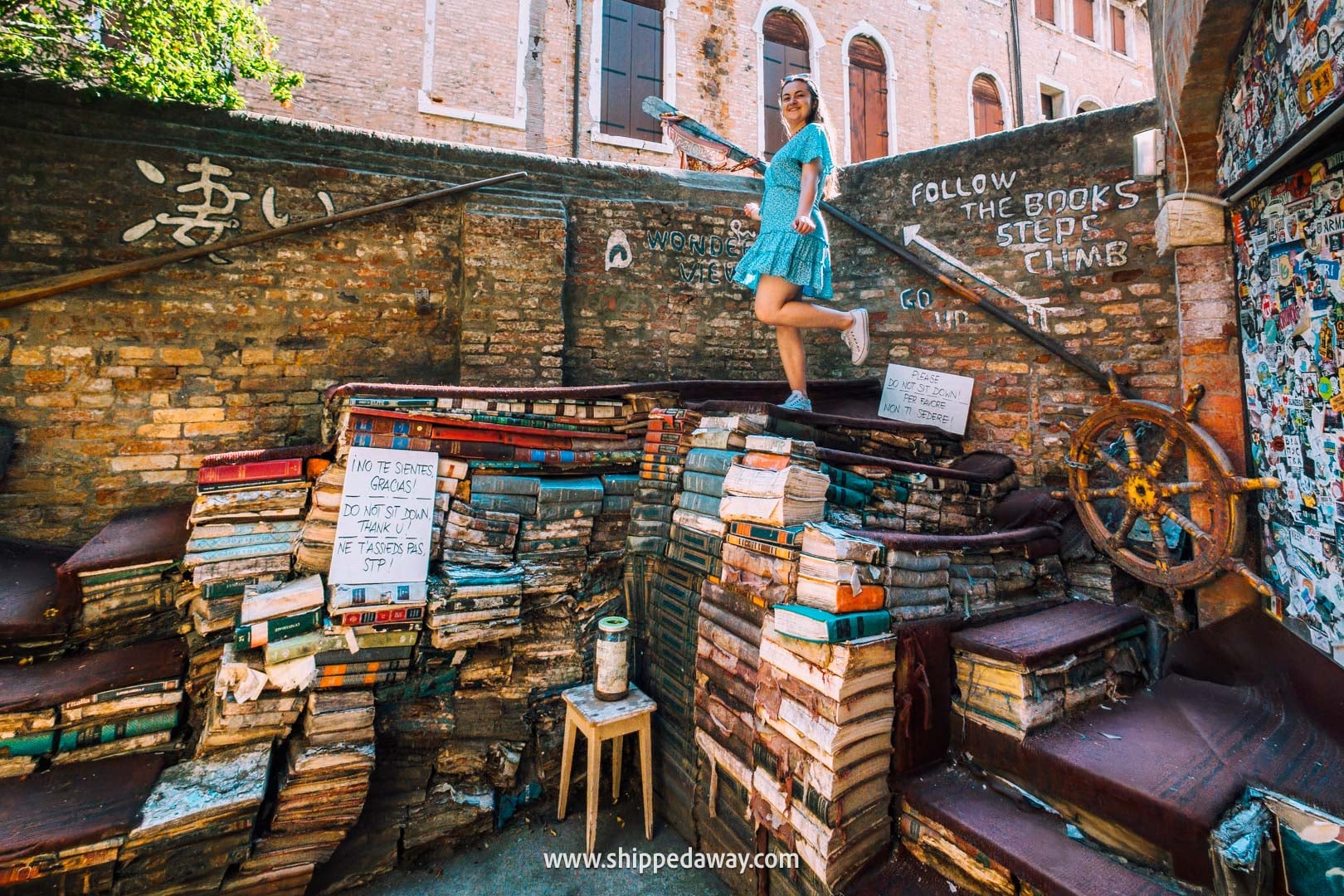
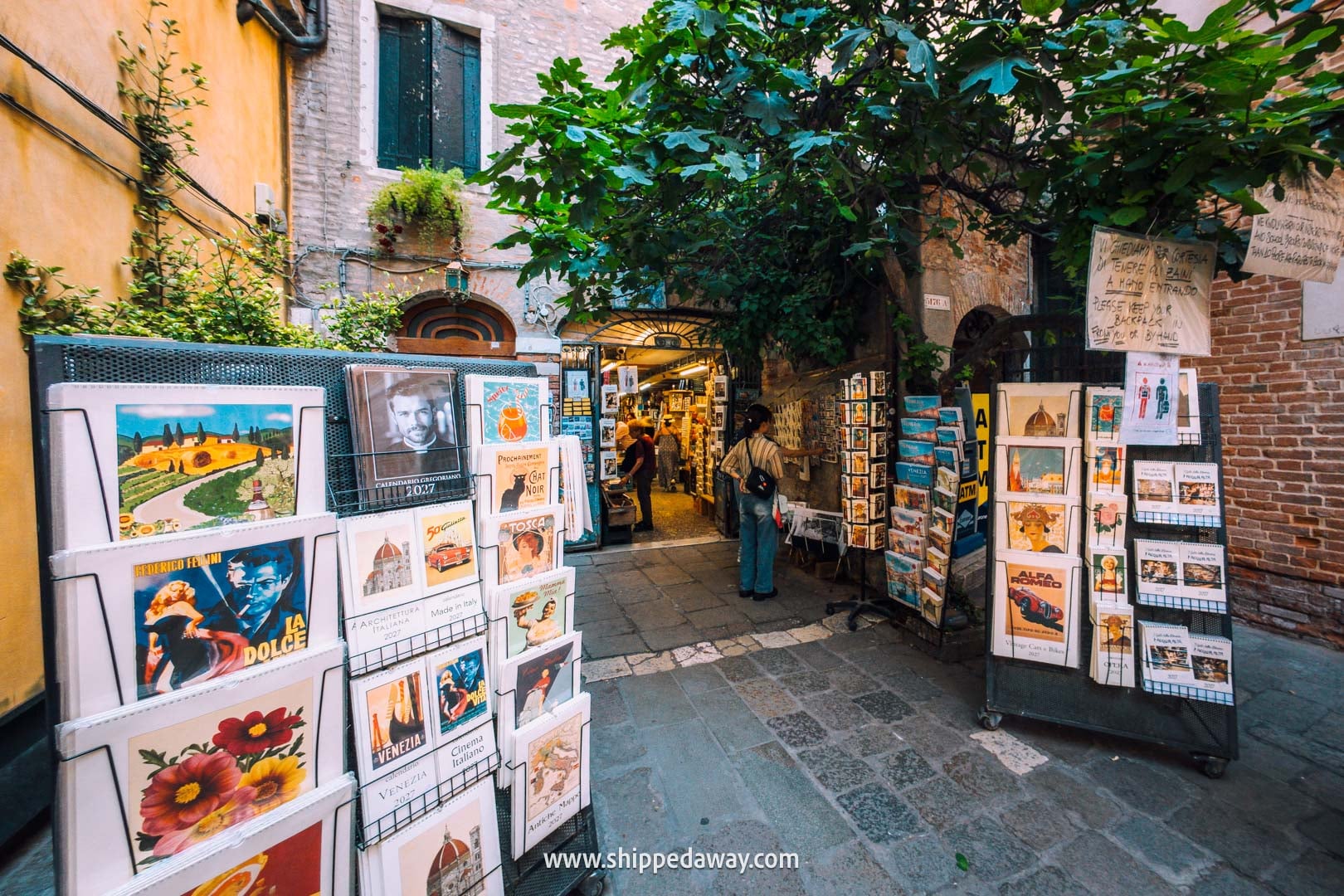
The bookstore is a perfect stop for any book lover to browse through the countless books, but it might not be the best place to buy books, as people say they’re damp. So it’s more of a museum than a bookstore you might be used to elsewhere.
Most people actually come for the photospot and cute cats (that you can’t touch). Also, keep in mind that you must wear your backpack on the front when inside, probably to not knock things over, as the place is small and narrow.
Please know that the photospot at the bookstore is very popular, so if you don’t want to wait in a long queue, visit right at opening or late in the afternoon towards closing. We were lucky to find it not busy at all just after opening, around 9:20 AM.
Best tours and activities
- Murano and Burano Guided Tour with glassmaking and lacemaking demonstrations
- Pasta and Tiramisu Cooking Class
- Catamaran Sunset Cruise with jazz music and aperitivo
- Dolomites Day Trip – really good value-for-money for a quick visit to the Dolomites
- Sunset Food and Drinks Walking Tour – not a history tour, more for local food and drinks
- Professional Photo Shoot (canals and St.Mark’s Square)
Where to stay
The most common place to stay in Venice is in the historic center, which is closest to all attractions.
However, during our visit, we instead decided to stay in Mestre, the area just before the bridge over the lagoon to Venice.
Mestre is more affordable but connected 24/7 to Venice by bus and train. From the bus or train station at the entrance to Venice, you can walk the rest of the way or simply hop on a Vaporetto to get anywhere you’d like.
We stayed at MEININGER, an affordable hotel just a short walk from the Mestre transport hub. It’s the perfect place to base yourself if you plan to visit Venice but also take trips to nearby cities.

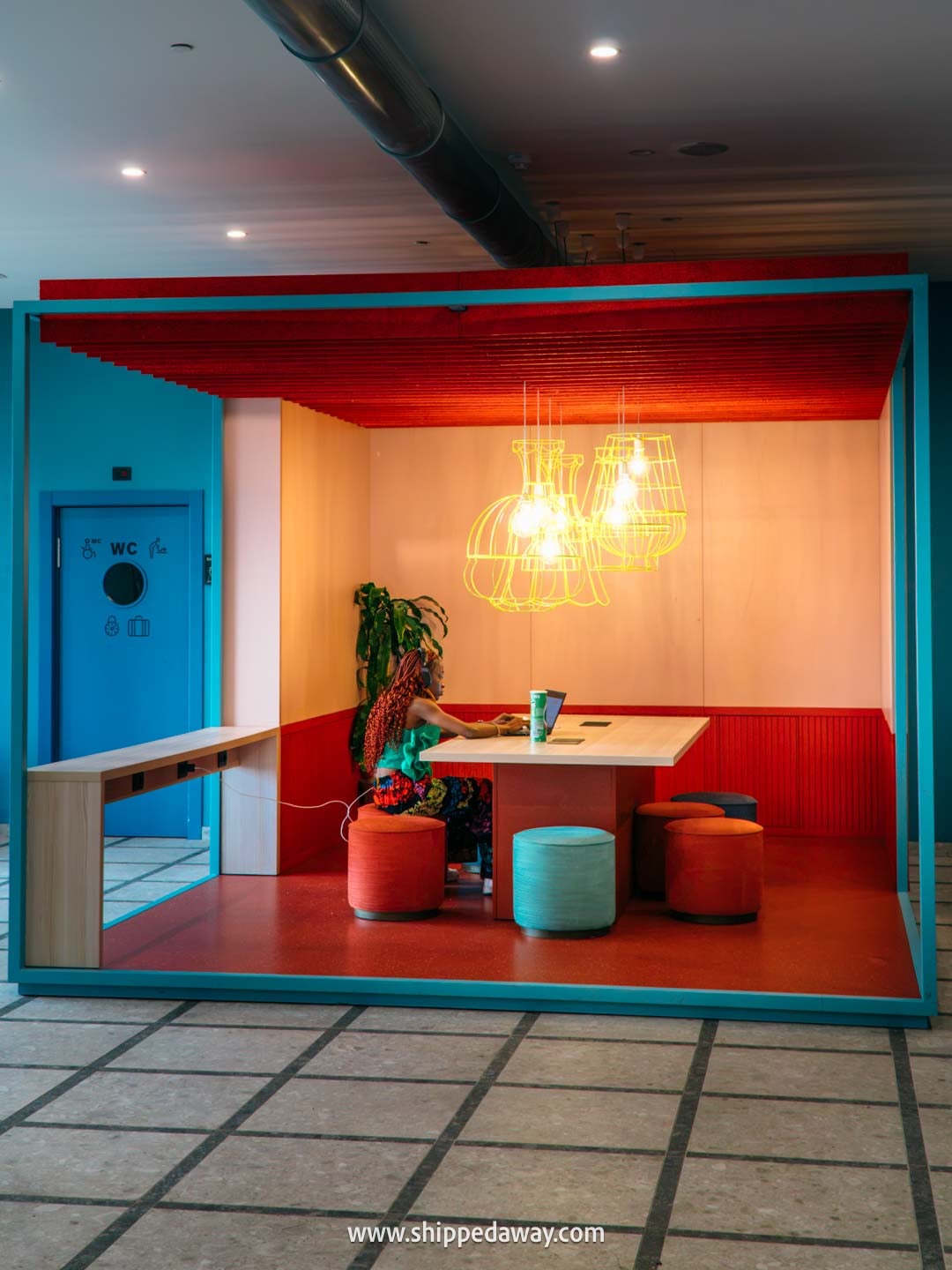
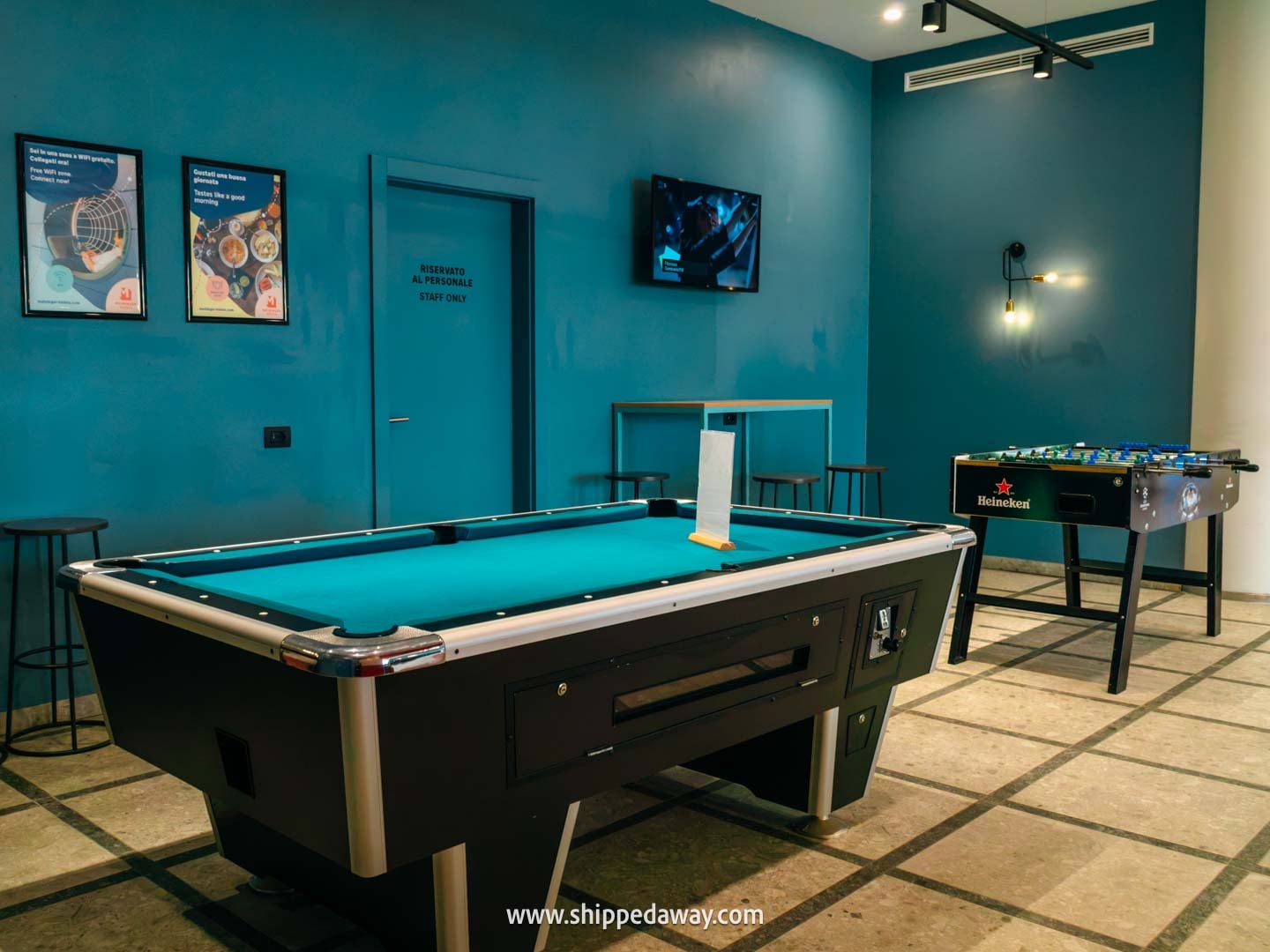
We were surprised by the amenities at the hotel, as there was a fully equipped shared kitchen with a number of spices and other supplies. And there’s also a comfy lounge area with a pool table and table football.
Check the hotel’s website here for all the details, or see recent reviews on Booking.com
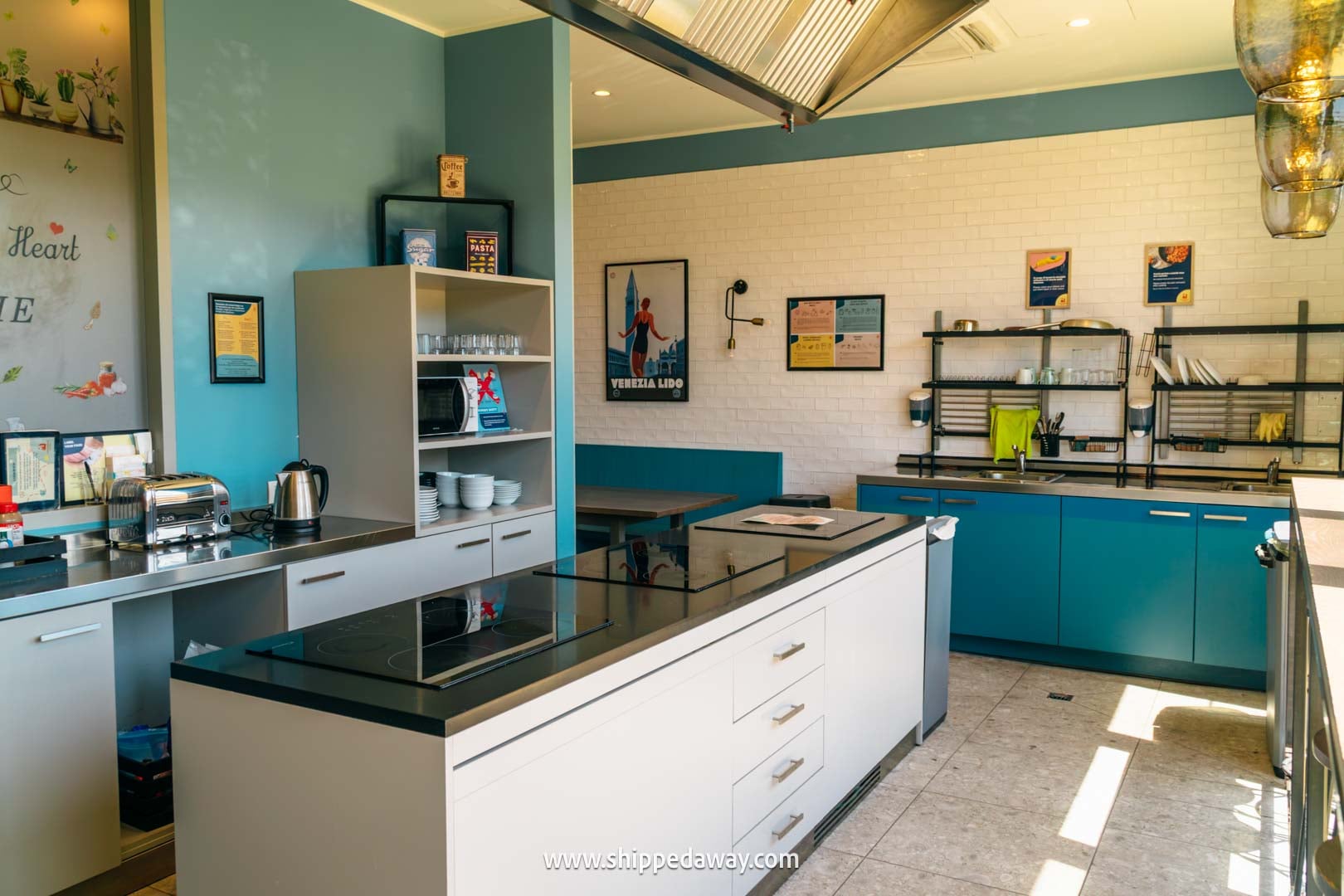
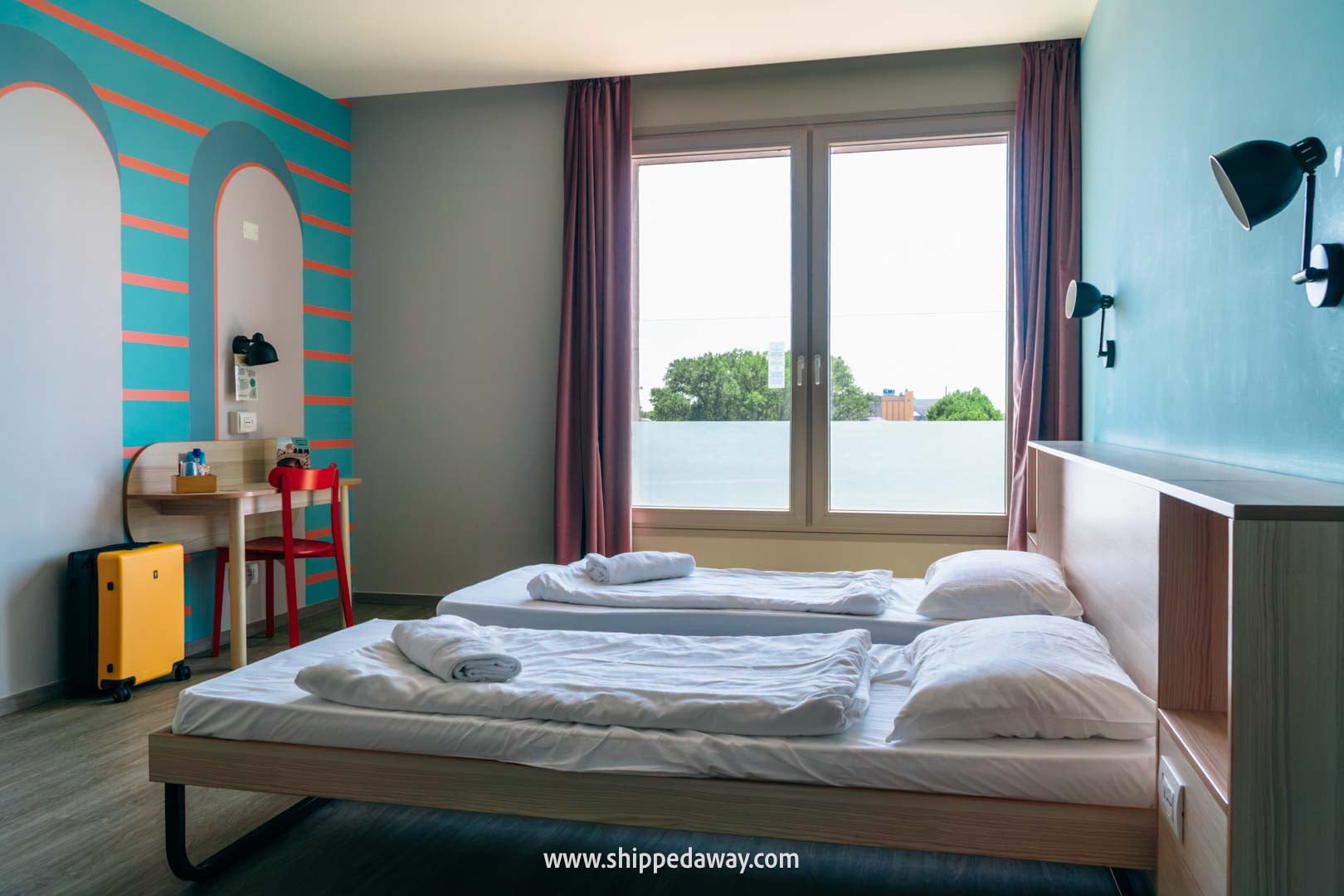
In our case, since we went on day trips to Verona, Lake Garda (Sirmione), and Bologna, staying in Mestre was the perfect choice.
With the train and bus stations easily accessible from our hotel, we were able to spend less time on transport and catch a bit more sleep than we would have if we stayed in the historic center.
There, we’d probably first have to walk quite a bit to the bus/train and maybe even transfer to another bus/train in Mestre.
Otherwise, hotels in the historic center make sense if all you’re doing is a quick trip to Venice.
Best time to visit
Venice is a year-round destination, but the absolute best time to visit is in the spring and fall, similar to many other cities in Italy. That is when the crowds aren’t crazy yet, and the city isn’t boiling in the summer heat.
We can say from our first-hand experience visiting Venice in late June that the heat here is no joke. You might think that because Venice is practically on water, it would be cooler, but when there is no wind and the stone (that’s everywhere) heats up, it almost never cools off.
For example, when we went around in the evening, with the sun long gone, the stone walls and bridges were still radiating heat like crazy.
For summertime exploration of Venice, definitely plan breaks in the shade wherever possible, and make sure to stay hydrated. Luckily, Venice, much like other Italian cities, has public water fountains where you can refill your bottle with fresh drinkable water. They came in really handy during our trip.
Continue planning your Italy trip
- Cinque Terre Guides: we absolutely loved exploring all the villages (by hiking, of course)
- Laghi di Fusine: magical lakes on the border with Slovenia
- Italy eSIM Review and Guide: we’ve tried many!